Omnichannel inventory and BOPIS change how small store networks win at fulfillment. It turns local stores into micro-fulfillment hubs and help retailers route orders from the closest stock point. BOPIS cut delivery miles and reduce shipping costs and bring digital shoppers into physical stores. These moves improve margin and traffic at the same time.
Why Small Networks Matter Now
Small chains hold many local advantages. They sit near customers and keep diverse local assortments. They know their local demand and they can respond faster than distant warehouses.
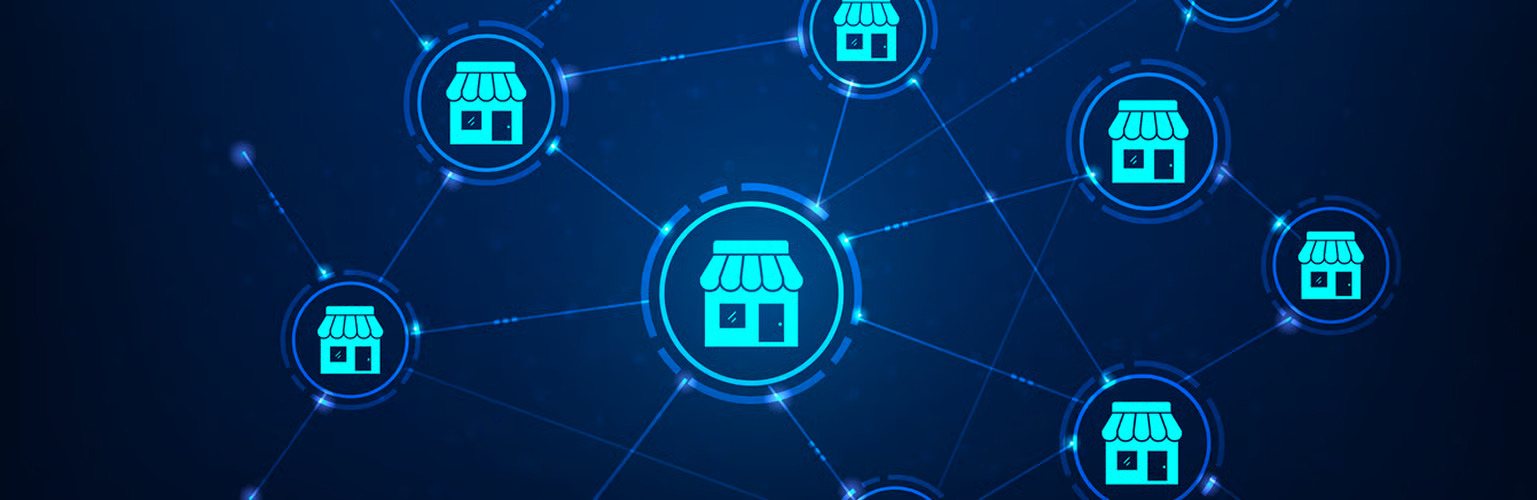
When a small network connects inventory across stores and online channels, it unlocks scale. The network acts like a distributed warehouse. The store footprint becomes the fulfillment backbone.
BOPIS and Consumer Behavior
Retailers reported a surge in BOPIS since the pandemic. One analysis shows a 40% increase in BOPIS demand since 2020.
Buy-online-pick-up-in-store (BOPIS) is growing rapidly. In 2024, 97.2 million Americans used BOPIS. It is nearly 34.2% of U.S. consumers.
Retailers that show live in-store stock to online shoppers boost conversion and reduce no-stock experiences. Over 65% of Top-1000 retail chains provided in-store stock status in 2024.
These numbers point to clear demand. Customers want convenience and certainty. They want fast pickup and clear inventory signals. Small chains can meet these needs by using what they already own: stores.
The tech stack that makes small networks scale
A simple, modern stack supports omnichannel inventory and BOPIS on a small scale. Use a composable order management system to route orders to the right location. Add real-time stock sync to avoid oversells.
Add a pickup orchestration layer to create pickup windows and staff notifications. Tie these components with analytics to measure pick times, fulfillment cost, and conversion uplift.
Cloud APIs and microservices let teams integrate without forklift projects. Headless commerce decouples the storefront from fulfillment logic. Event streams keep inventory fresh. Mobile apps let staff confirm picks and close orders at the counter. Simple integrations make a big operational impact.
Operational Patterns That Deliver Wins
Small networks succeed when they standardize simple processes. Define clear pickup workflows. Assign a fixed pickup zone in each store. Train staff to pick, stage, and confirm within a fixed time budget.
Use reserved inventory for BOPIS to protect sales from local demand spikes. Implement ship-from-store rules for large orders and ship-to-store for crafted ones.
Inventory Strategies For Small Footprints
Adopt distributed inventory planning. Use store-level analytics to decide which SKUs live in which locations. Keep high-velocity items in multiple stores. Keep slow-moving SKUs in a central store or warehouse. Use buffer stock for regional promotions. When a product moves fast in one area, replicate that SKU in local stores.
Leverage visibility to customers. Show online which stores hold an item and how many units remain. That clarity reduces cancelled orders and wasted trips. It also increases trust. Trust raises repeat visits and lifetime value.
Cost and Speed Tradeoffs
Small stores cut the last-mile cost. They place inventory closer to customers. This reduces delivery distance and carrier fees. Stores can offer free or low-cost pickup, which customers value. Stores also reduce delivery failures. Fewer failed deliveries reduce re-deliveries and returns.
Small networks face labor and space limits. Picking in a busy store can slow down staff and hurt service. You need clear staging areas and smart staff schedules. Automate notifications and pick lists to speed fulfillment. Balance the cost of store labor against courier fees and delivery time.
Measured Impact: Stats and Outcomes
BOPIS already delivers measurable business benefits. Retailers that implement click-and-collect see higher basket sizes at pickup visits. Click-and-collect can represent about 9% of e-commerce sales and may reach 10% by 2025.
Analysts forecast the U.S. BOPIS market will grow at a double-digit CAGR through the next decade, with market size estimates in the hundreds of billions. One report put the U.S. BOPIS market at about $129.36 billion in 2024 and forecasted strong growth.
Retailers that enable in-store stock visibility improve conversion. Over 65% of large chains showed in-store stock status in 2024, and that share rose year over year.
Case Snapshot: Micro-fulfillment Wins
Imagine a regional apparel chain with ten stores. The chain ties inventory across stores and the website. The shop that sits closest to the customer gets the order. Staff picks and stage the item in 20 minutes. The customer picks up after work.
The chain avoids a courier fee and gains a store visit. The visit turns into an extra $25 purchase on average. Multiply this pattern across thousands of orders. The chain cuts fulfillment cost and grows sales without adding new warehouses.
Real-world retailers report similar outcomes. Analysts highlight how stores act as fulfillment centres and drive both convenience and profit.
Data and Analytics: The Hard Work That Pays Off
Data drives the right SKU mix by store. Use demand forecasting at the store level. Use A/B tests for pickup window lengths and staging rules. Track pick time, pickup no-show, and conversion lift. Measure cost per order by fulfillment path.
Collect customer feedback after pickup. Use that data to tune the experience. For tech teams, analyze every step with events and telemetry. Data reduces guesswork and improves margins.
People and Processes: Staff Design Matters
Train store staff for fulfillment tasks. Create clear role definitions: picker, stager, and customer-facing pickup associate. Use mobile pick lists to reduce errors. Reward staff for accuracy and speed. Keep staging zones organised and labelled. Simple design reduces mistakes and shortens fulfillment time.
Align store managers on metrics. Give them visibility into orders and expected pickups. Encourage cross-store collaboration for rebalancing stock during demand spikes.
Customer Experience: Beyond Pickup
Use pickup as an experience channel. Offer express lanes for pickups. Offer simple returns at pickup. Use the pickup interaction to enroll customers in loyalty programmes. Let customers reserve fitting room time during pickup for apparel. Use QR codes to speed check-in. A smooth pickup turns convenience into loyalty.
Risk and failure modes
Small networks face several risks. Inventory inaccuracies lead to cancellations. Poor staging leads to long wait times. Staff shortages hurt fulfillment windows. Systems that fail to sync create oversells.
Plan for fallback rules: if the nearest store lacks stock, offer ship-to-store or ship-from-warehouse. Test peak scenarios. Simulate holiday spikes. Ensure pick lists and staffing rules scale for busy times.
Roadmap for implementation
- Map your current inventory systems and data flows.
- Choose an order management strategy: reserved stock, shared pool, or hybrid.
- Connect store POS to a central inventory layer.
- Implement livestock visibility on the website and apps.
- Launch BOPIS in a pilot region. Monitor key metrics: pick time, no-show rate, add-on sales, and cost per order.
- Repeat on staffing, staging, and routing rules. Scale regionally.
The Economics: How Small Stores Beat Big Warehouses
Small networks cut the last-mile distance. They reduce courier reliance and lower fuel and labor costs per order. They also capture in-store upsell at pickup. These two levers improve unit economics. When you factor in faster delivery and higher conversion, the ROI on BOPIS and omnichannel inventory becomes clear.
Future Moves: Automation And Micro-Warehouses
Automation will extend these wins. Small stores can adopt lightweight automation: conveyor staging, smart lockers, and robotic pick assist. These tools raise throughput in constrained spaces.
Micro-warehouses near urban centres can complement stores for bulky or low-turn items. The hybrid model keeps local speed for standard SKUs and central storage for long tail items.
Small format stores will play a larger role in fulfillment. Retailers test micro-fulfillment zones inside these stores to cut picking time. They also convert back rooms into hybrid storage spaces. This shift trims shipping miles and brings products closer to customers.
BOPIS will grow deeper ties with mobile commerce. Shoppers want fast confirmation, clear pickup slots, and smooth handoff. Retailers combine loyalty data with pickup behavior to trigger personalized offers. This mix boosts conversion and drives repeat visits.
Final Thoughts
Small store networks can win at fulfillment by linking omnichannel inventory and BOPIS. The required tech starts small and scales with clear rules. Measure relentlessly and keep processes simple.
Use stores as fulfillment hubs and sales channels. That dual role drives economics and customer satisfaction. The data shows demand and growth. Retailers who act now can turn local presence into a high-performance fulfillment advantage.
Contact us or Visit our Expertise for more information.