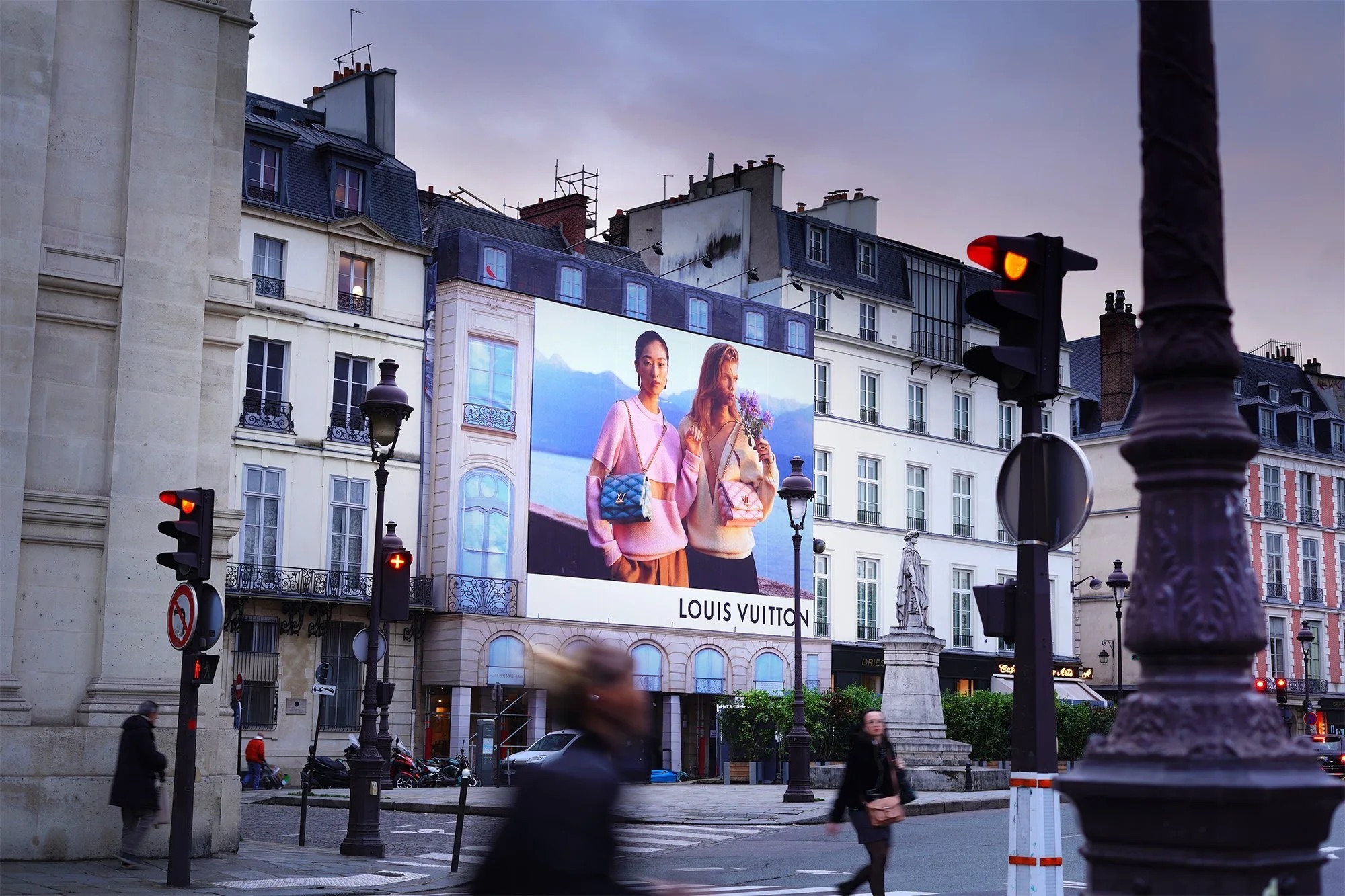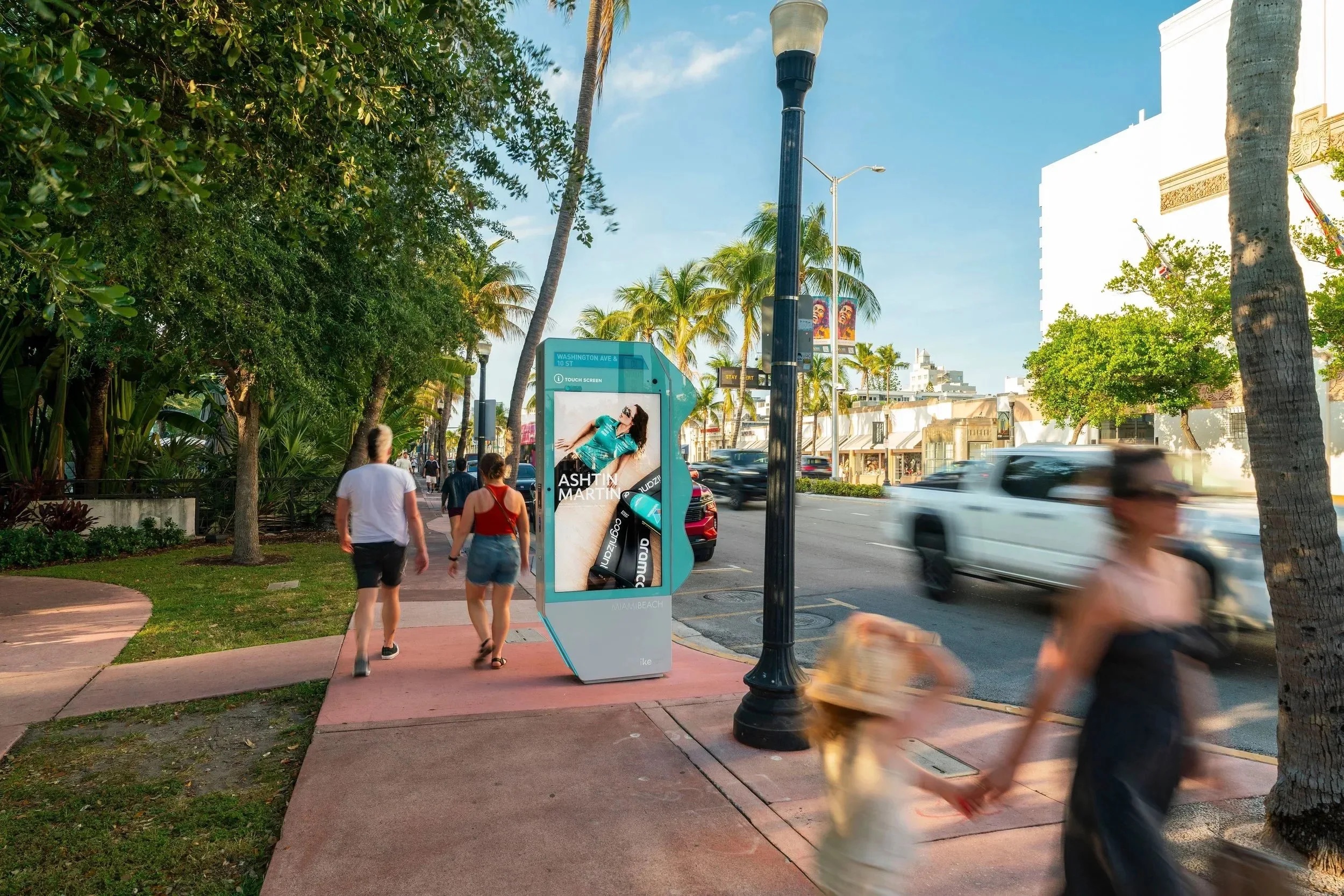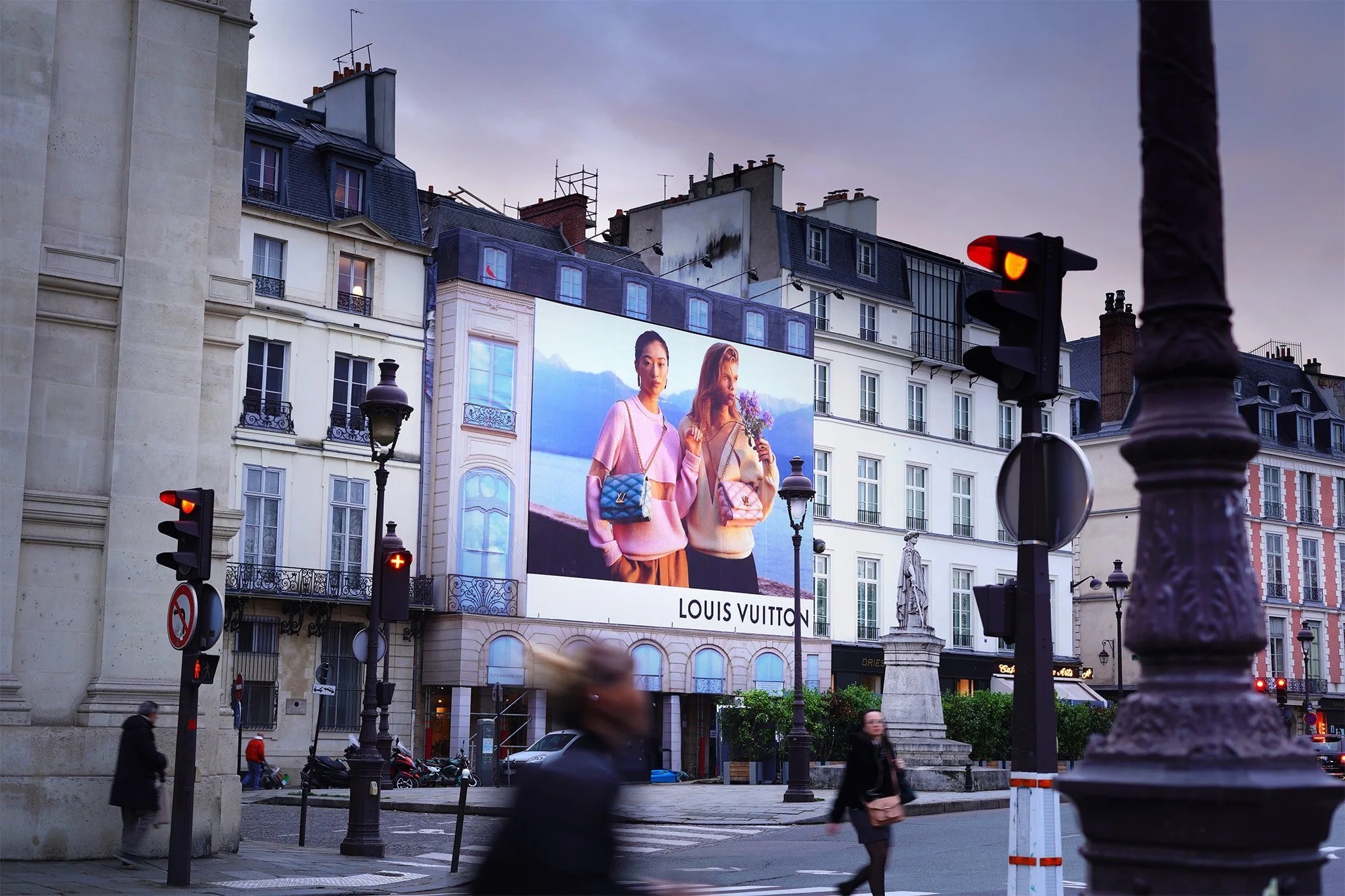
Making Outdoor Advertising Work After Dark
Key Takeaways
Check evening visibility: Confirm how each site is illuminated and whether it operates throughout the hours you’re buying.
Test the creative in context: Contrast, text size and brand recognition need to hold up against surrounding lights and shorter viewing times.
Follow the evening audience: Choose locations and messages around where people are going and what they can realistically do next.
The journey home can look very different once the clocks change. A billboard that catches someone in daylight during summer may become an evening encounter by autumn.
That creates opportunities for outdoor advertising, but it also changes the conditions in which people see it. Lighting and creative need to work together, with a relevant audience still passing the site.
A bright screen is a starting point. The campaign also needs a message people can read and a location that earns its place after dark.
Check the Site During the Hours That Matter
Digital screens emit their own light. Printed posters may be illuminated from behind or lit by lamps directed at their surface. Unlit sites depend on the light available around them.
Those differences affect visibility. A nearby streetlight won’t necessarily illuminate an entire poster evenly, particularly from a distance.
Request recent evening photographs or footage from the audience’s approach. Confirm lighting hours, screen schedules and the process for reporting faults before committing to the booking.
Make the Creative Readable at a Glance
Headlights, shop windows and neighbouring screens can compete for attention. Rain and reflections can make the view more difficult still.
Give the artwork a clear focus. The main message should register quickly, with enough separation between the text, product and background to keep each recognisable.
Dark imagery may suit the campaign, but important details still need to be visible. Test the layout at the intended viewing distance and place it in a realistic street mock-up before approval.
Keep Brightness Appropriate to the Setting
A screen that looks comfortable in daylight can feel harsh against darker surroundings. Ask the media owner how brightness adjusts to ambient conditions and whether any operating limits affect the booking.
Review artwork with large areas of bright colour in that context. The aim is a clear, comfortable read.
Brightness cannot compensate for small text, weak contrast or an awkward viewing angle. Those issues need addressing in the creative and site selection.
Match the Message to the Evening Journey
People heading home, changing trains or going out for dinner have different reasons to be in the same area.
A restaurant might promote a nearby offer while there’s still time to visit. A leisure venue could encourage a weekend booking. A wider brand campaign may simply use the evening exposure to build familiarity.
Check the evidence behind the proposed audience. A retail location that performs strongly during the day may become much quieter once shops close.
Schedule Variations With a Clear Purpose
Digital outdoor can support different messages at particular times, subject to the screen and booking arrangement.
A retailer might switch from daytime shopping to collection information for the journey home. Keep the campaign recognisable and make every version understandable independently.
Confirm motion permissions before producing animation. If live information is involved, agree a fallback message and responsibility for monitoring it.
Check Delivery and Response Together
For digital campaigns, playback reports can confirm whether adverts ran during the booked hours. They don’t establish how many people noticed them.
Assess the outcome that matters to the campaign, such as evening visits, bookings or enquiries. Account for weather, opening hours and other marketing when reviewing changes.
Checks during the campaign also give you time to address lighting faults or missed slots while the activity is live.
One Day Agency brings evening site planning and outdoor creative together. Read the full guide to outdoor advertising after dark for more on illumination, scheduling and visibility.