A real project on what it actually takes to turn scattered systems into decisions you can trust.
Is it still worth sending an engineer to that site? For a leader, it's a five-second question. Answering it properly, factoring in support ticket volume, engineer cost, contract terms and history, took days, several people, and still came with caveats attached.
Each team understood their own system perfectly well. Nobody had ever had to look across all of them for the same answer, and the larger an organisation gets, the further apart the data that should sit together ends up living.
This session tells the real story of an organisation that faced exactly that gap, and closed it. A fast-growing service provider with a complex, multi-system estate, each system holding good, usable data, none of it joined up. With two very different types of customer relationship sitting on top of it all.
In this 30 minute session, Ed Hardie, Senior Engineer at The Curve, walks through the project first-hand, candidly and without the theory. The build deliberately started small: prove a handful of systems could be joined up and reported on honestly, before investing further. The session covers:
Why one clear question, "is this location still worth servicing", took days to answer even though the data already existed
What the organisation's systems looked like before the project started, and why more data alone didn't mean better decisions
Why the build started with a small, provable slice rather than a full platform, and what that first phase had to prove before anything else was built
The deliberate choice to build entirely on infrastructure the client controls, and why that mattered as much as the reporting itself
What actually changed once the data came together No technical background is required.
This session is aimed at leaders who want to understand what a real data transformation actually looks like in practice, not the theory of it.
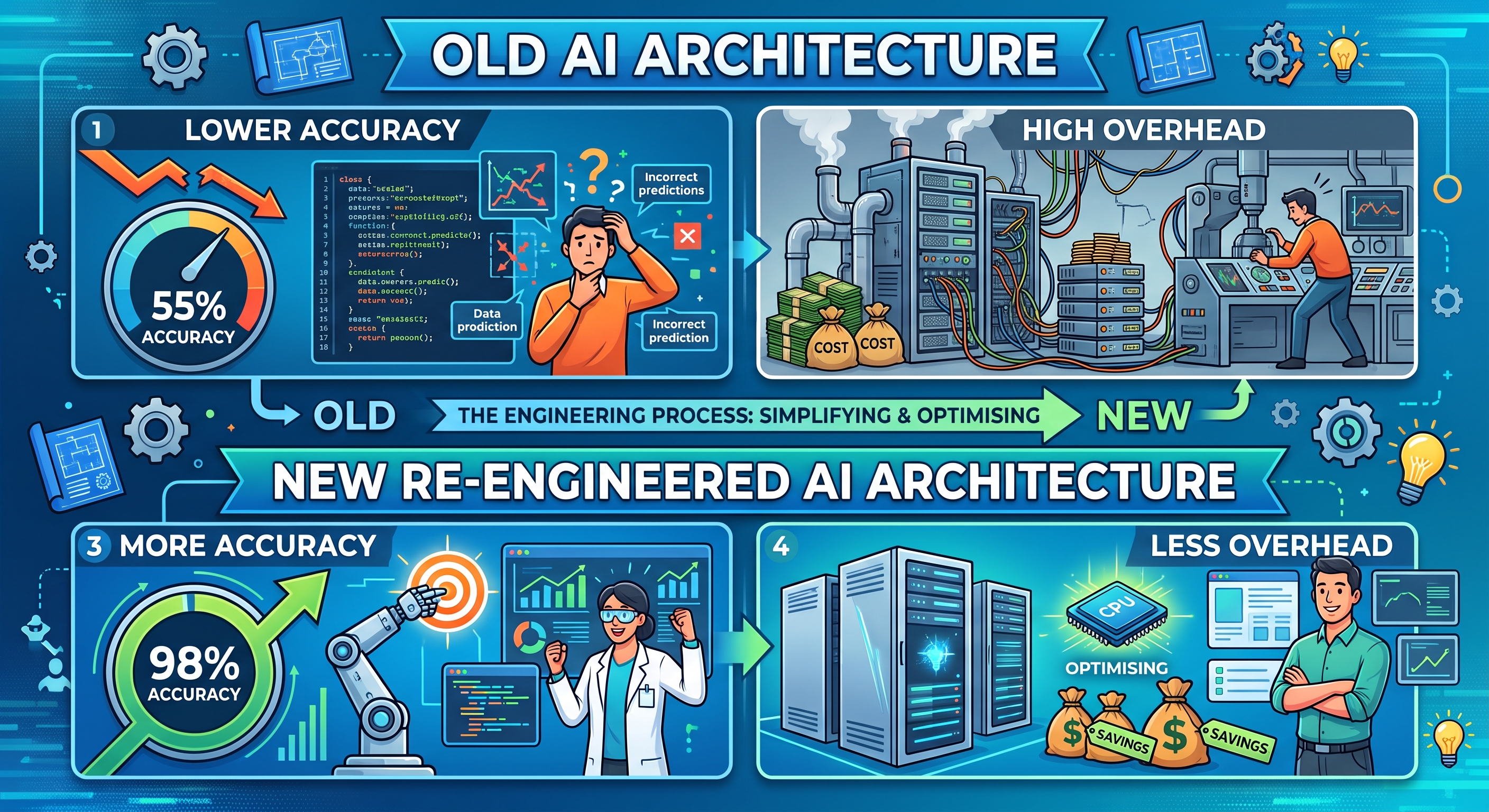
Attendees will leave with a concrete sense of before and after: what a joined-up answer used to cost this organisation, what it costs now, and the kind of decisions that become possible once that gap closes.