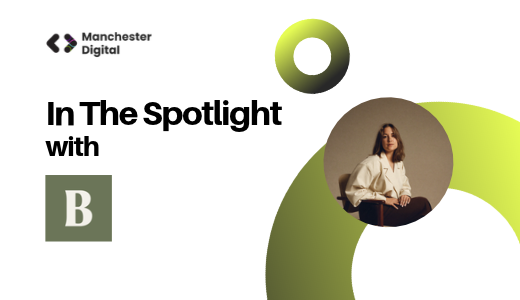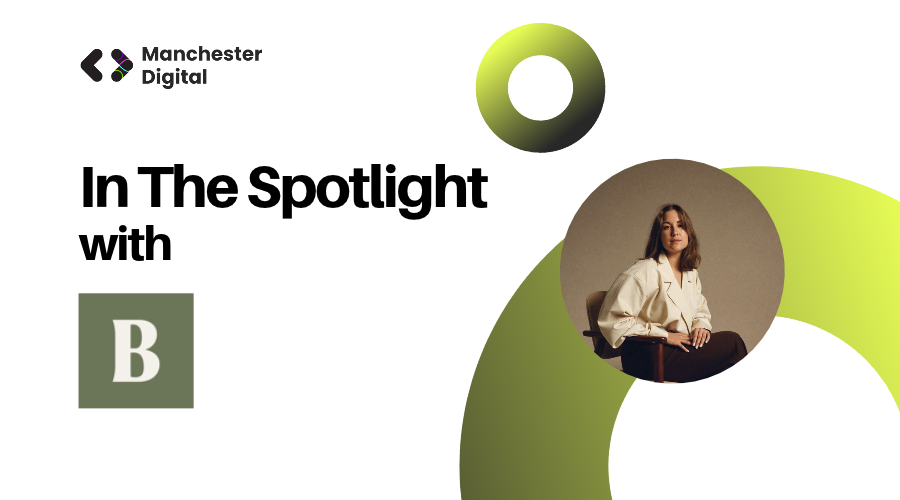
In the latest edition of In The Spotlight, we catch up with Naomi Bilder, founder of Bilder Studio, a Manchester-based AI creative studio producing art-directed imagery for brands across beauty, fashion, lifestyle and jewellery.
Naomi shares how she combines AI technology with traditional creative direction, the opportunities it opens up for brands of all sizes, and why human creativity, judgement and attention to detail remain so important. We also explore her experiences as a solo founder working at the intersection of art and technology, and her ambitions to collaborate with Manchester's growing creative and digital community.
Can you introduce Bilder Studio and tell us a little about what inspired you to launch the business?
I’m Naomi Bilder, an artist and the founder of Bilder Studio, an AI creative studio based in Manchester. I create art-directed imagery for beauty, fashion, lifestyle and jewellery brands, from individual product images to full campaigns. I run the studio myself, so I’m involved in every project from the first conversation to the final details.
Bilder is my surname, but it also means “pictures” in German, which felt like a lovely fit.
Before starting the studio, I ran my own handmade art brand. Almost two years ago, I began using AI tools to create imagery for it and discovered how much I enjoyed working this way. It brought together my interests in art, photography and fashion, and gave me a way to bring the ideas in my head to life.
I wanted to explore that further and help other brands express their own ideas through imagery. That’s what led me to start Bilder Studio.
Bilder Studio combines AI technology with traditional creative direction. How does your approach differ from conventional product photography and AI-generated imagery?
I start by understanding the brand and what it wants to communicate. Using its product images and references, I then build the world around the product, considering the setting, lighting, materials and, where needed, the people in the frame. I guide the whole process, from the initial creative direction through to selecting images, working through feedback and retouching the final frames by hand.
AI gives me a way to bring those ideas to life, but there are creative decisions at every stage. Who would suit the campaign? How close should we be to the product? What would make the setting feel right? Those are questions a photographer or art director would consider on a shoot, and they’re central to my process too.
Throughout, I’m looking at both the overall feeling and the small details. The imagery needs to express the brand’s personality while staying true to the product.
You work with brands across beauty, fashion, lifestyle and jewellery. What opportunities does AI open up for brands looking to create distinctive campaign imagery, particularly those with smaller budgets or limited resources?
AI gives smaller brands more freedom to create imagery that might otherwise be difficult to produce. You can explore different locations, settings and casting without having to organise a full shoot for every idea. That opens up possibilities for a brand with a smaller budget or team.
The exciting part for me is using that freedom to create something individual. A campaign can be playful, understated or extravagant, depending on the brand and what it wants to say. The setting, lighting and styling should all support that.
I’d suggest starting with a small set of images. It gives us a chance to see how the direction works with the actual product, gather feedback and make adjustments before developing a wider campaign.
There's a lot of conversation around AI's impact on the creative industries. How do you see the relationship between human creativity and AI evolving, and why is the human element still so important?
I think human creativity will remain central as AI tools develop. The tools give us more ways to create, but our taste, experience and perspective shape what we do with them. Knowing what you want an image to express, recognising what isn’t working and deciding when it’s finished all take judgement.
The human element is also in the care you put into the work. I check that product details are accurate, materials look believable and skin still has its natural texture. I like images to have character, and sometimes making everything too perfect takes that away.
There’s responsibility in those decisions too, from how people are represented to being open about how the imagery was created. I think that care and judgement will become even more valuable as the tools get faster and more accessible.
As a solo founder working at the intersection of creativity and technology, what have been some of your biggest lessons or challenges in building Bilder Studio?
One of the biggest lessons has been learning to trust my creative judgement and be clear about the work I want to make. Being able to explain why I’ve chosen a particular direction, or why something needs more work, has helped me have more open conversations with clients.
Running the studio on my own has been a learning curve too. There’s a lot to balance between creating the images, speaking with clients and managing the business. With experience, I’ve become more confident in handling those different parts of the work.
I really value the personal side of being a solo founder. Clients work directly with me throughout, so I get to understand their ideas and stay close to each project. I keep my workload manageable so I can give both the relationship and the creative work proper attention.
There’s still some hesitation around AI imagery, and that can be a challenge. I try to approach those conversations openly and explain how I work. I’m always learning myself, and I enjoy finding solutions as the studio grows.
What excites you most about being part of Manchester's growing creative and digital community, and what connections or collaborations would you love to make through Manchester Digital?
Manchester is a big source of inspiration for me. There’s so much creativity here, and I’m excited to get to know more of the people behind it. Running a studio on my own makes those connections especially valuable.
Through Manchester Digital, I’d love to meet agencies and brand teams exploring how AI could fit into their campaigns, as well as photographers, retouchers and designers who are interested in collaborating. I’d enjoy working on projects where we can bring our different skills and perspectives together.
I’m also curious to hear how other members are approaching AI in their own fields, including questions around transparency and rights. Having people to share experiences with and talk through those questions is something I’d really value.
Finally, what's next for Bilder Studio? Are there any exciting projects, ambitions or developments on the horizon that you can share?
I’m looking forward to working with more brands of different kinds and sizes. I love getting to know the people behind a brand and understanding what makes it individual. Every project brings something different, which keeps the work exciting for me.
I’ll also keep writing the Bilder Studio journal, sharing more about my process, from keeping a consistent look across a campaign to product accuracy and commercial rights for AI imagery.
Alongside that, I’m continuing to develop my own concept brands across beauty, fashion and lifestyle. They give me space to experiment and follow an idea from the first thought through to the final images. It’s a part of my practice I really enjoy and want to keep making time for as the studio grows.
Thanks Naomi!
To find out more about Bilder Studio, click here.