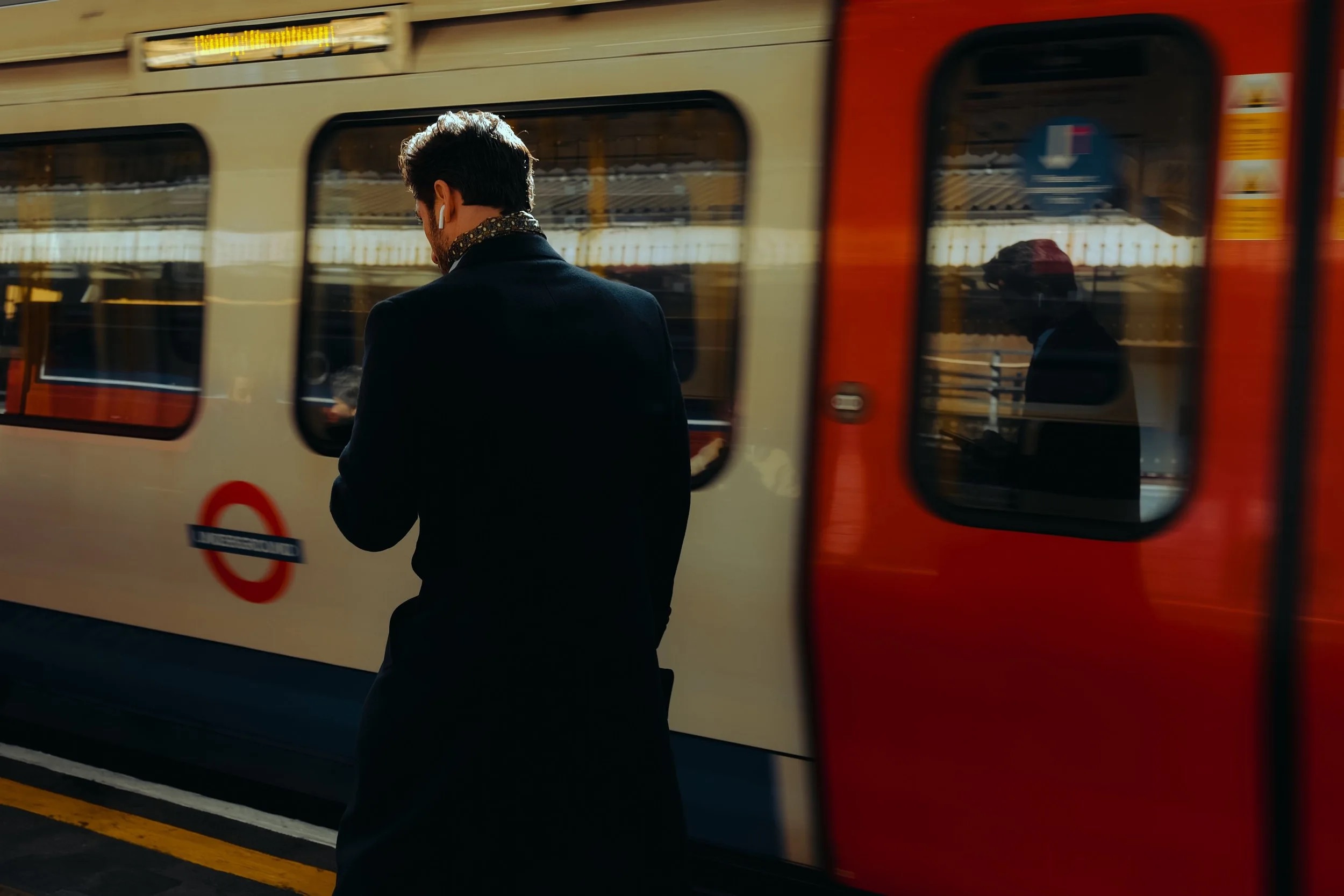
Advertising to Commuters on Their Way to Work
Key Takeaways
Start with the journey: Define your audience by routes, transport modes and travel times to identify useful advertising locations.
Match the message to the moment: Roadside media needs a quick read, while stations and shelters can give people more time to engage.
Plan around actual movement: Hybrid working and flexible hours mean commuting patterns vary across the week.
The journey to work can give brands repeated opportunities to become familiar. Someone might pass the same billboard, wait beside the same shelter or hear an audio advert several times during their working week.
Those opportunities depend on the journey. A driver on a busy road and a passenger waiting on a platform have different viewing conditions and different options for responding.
An effective commuter campaign starts by understanding those differences.
Map the Journey Before Choosing Media
Think about where your priority audience starts, where they’re going and how they get there. A commute may involve walking, a bus connection and a train, with several advertising opportunities along the way.
Customer postcodes, workplace locations and current travel data can help you identify relevant routes. The campaign objective then shapes which parts deserve investment.
A coffee shop near a station might focus on people approaching its location. A business service targeting office decision-makers may need broader coverage across routes into a commercial district.
Use Stations to Make the Most of Waiting Time
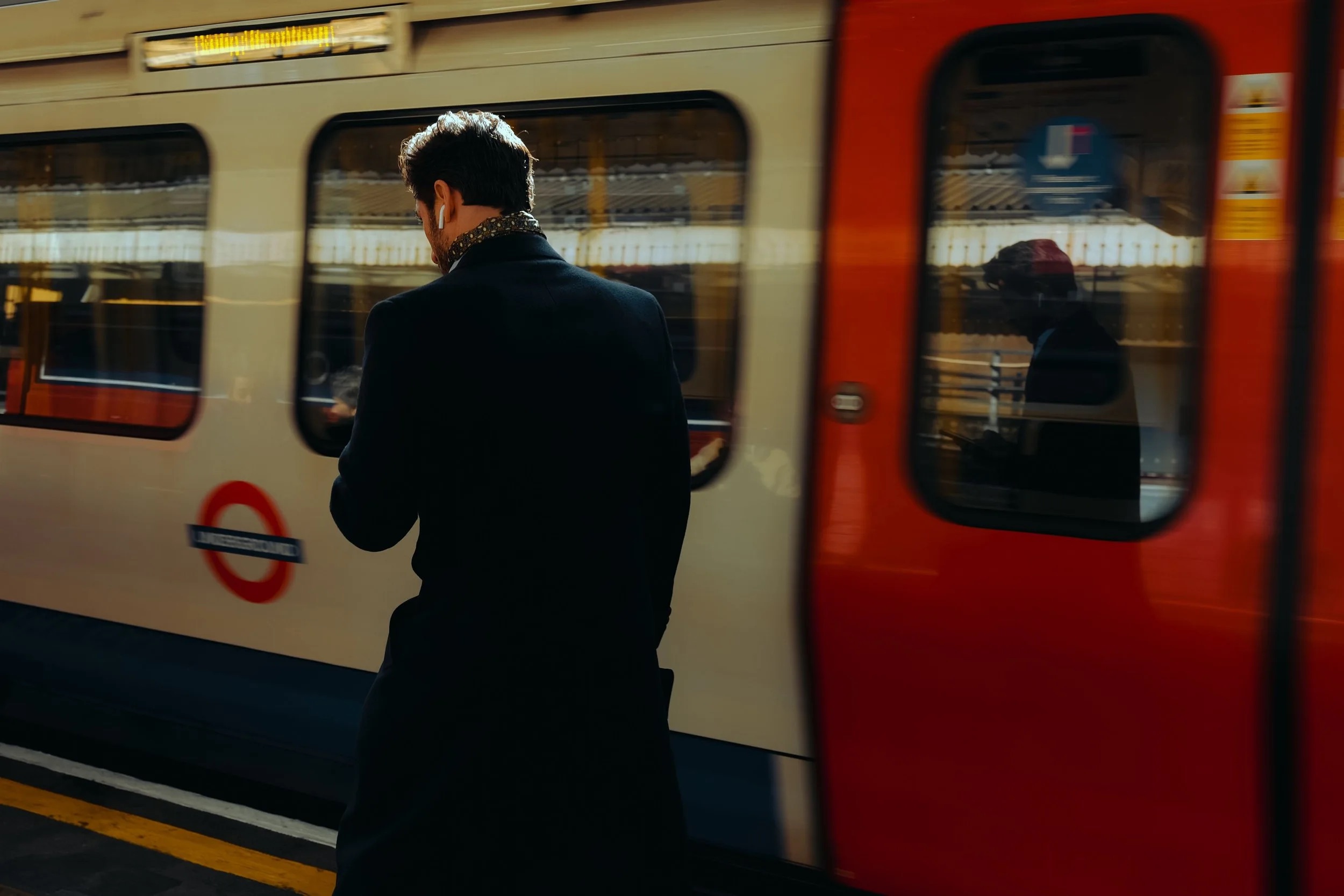
Station advertising can reach people at entrances, on concourses and while they wait for a train. Each setting offers a different amount of time to notice the message.
A platform poster may give someone an opportunity to read a useful product benefit. An escalator placement needs to communicate while people move past it.
On-train advertising can extend the campaign into the journey. Choose locations and formats around the audience you need, rather than assuming every busy station delivers the same value.
Build Repetition With Bus and Roadside Advertising
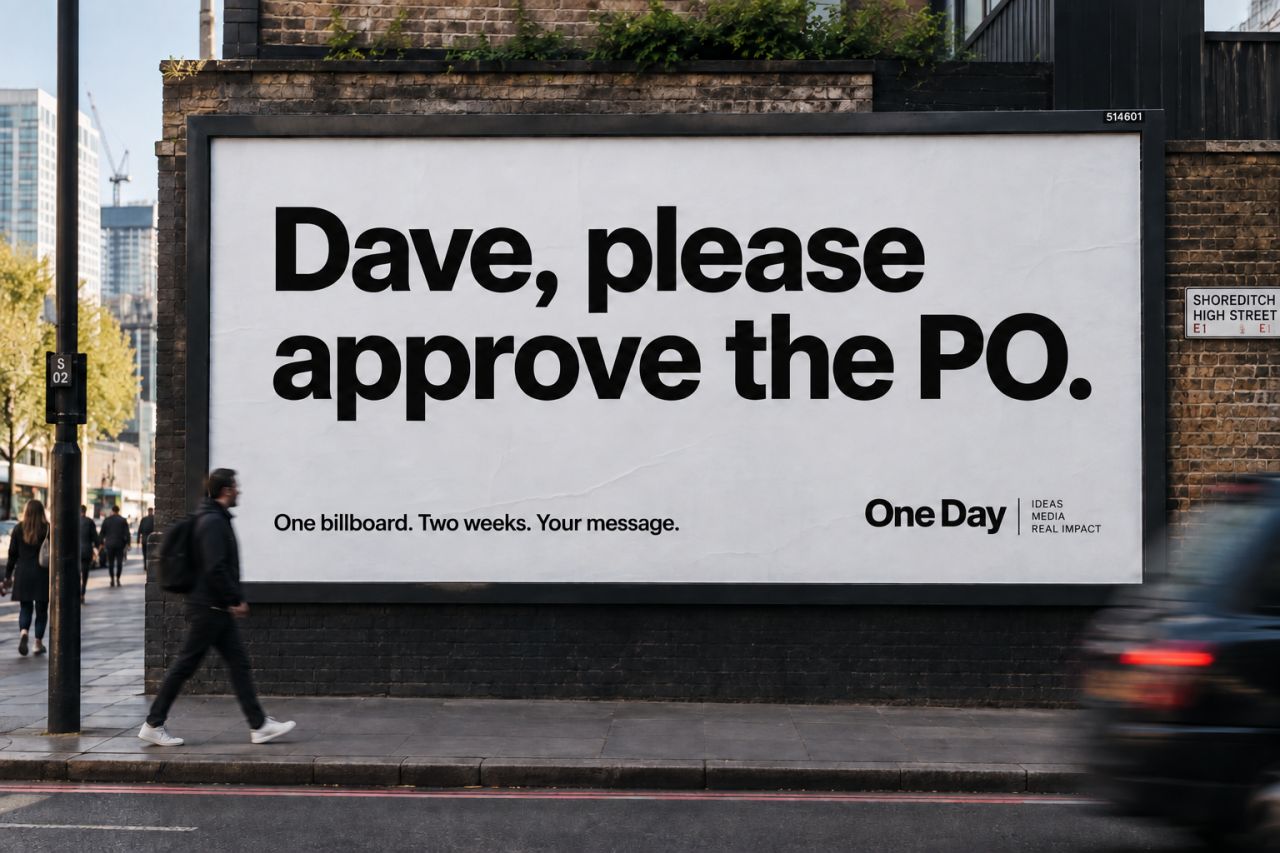
Bus sides carry messages through neighbourhoods and commuter corridors. Shelters keep them visible at fixed locations, while roadside billboards can reach drivers and passengers along familiar routes.
The right choice depends on what you want people to do. A shelter near a shop can connect the message with a nearby visit. Moving bus formats can help build recognition across a wider area.
Keep the main idea clear enough to understand quickly. Strong branding makes each sighting easier to connect with the next.
Give Audio and Mobile a Useful Role
Radio, streaming audio and podcasts can reach people during journeys when they’re not looking at a screen. A recognisable voice or sound can reinforce the brand and explain something a short outdoor headline cannot.
Mobile activity can help capture interest later through search, maps or a relevant landing page. Make the next step suit the situation: a memorable search term may be more useful than asking someone to complete a form.
Phone interaction should only be encouraged when people have a safe opportunity to respond, never while driving.
Account for Different Commuting Days
A commuter audience won’t necessarily travel at the same time every weekday. Hybrid schedules, flexible hours and different shift patterns can change when routes are busiest.
Use current movement data to guide the schedule. A longer campaign may help build repetition among people who travel on different days.
Where available, digital outdoor formats can adjust scheduling or copy to reflect relevant changes in the audience and context.
Measure What Happens Along the Route
Start by checking campaign delivery, estimated reach and frequency. Then look for changes in branded search, website activity, visits or enquiries across the areas reached.
Collect a baseline before launch and continue tracking afterwards. Comparable routes or catchments can help you interpret the results, while disruption such as roadworks or timetable changes should be recorded.
One Day Agency plans commuter campaigns across outdoor, audio and digital media. Read the full guide to advertising to commuters on their way to work for more on route planning, creative and measurement.