Connecting OOH Campaigns With Website Traffic
Key Takeaways
Plan measurement before launch: Record existing traffic and agree which website actions matter before the posters go live.
Compare similar locations: Track changes in campaign areas against comparable areas without OOH to estimate its contribution.
Build the case from several signals: Branded search, direct visits and conversions can reveal responses that tracking links miss.
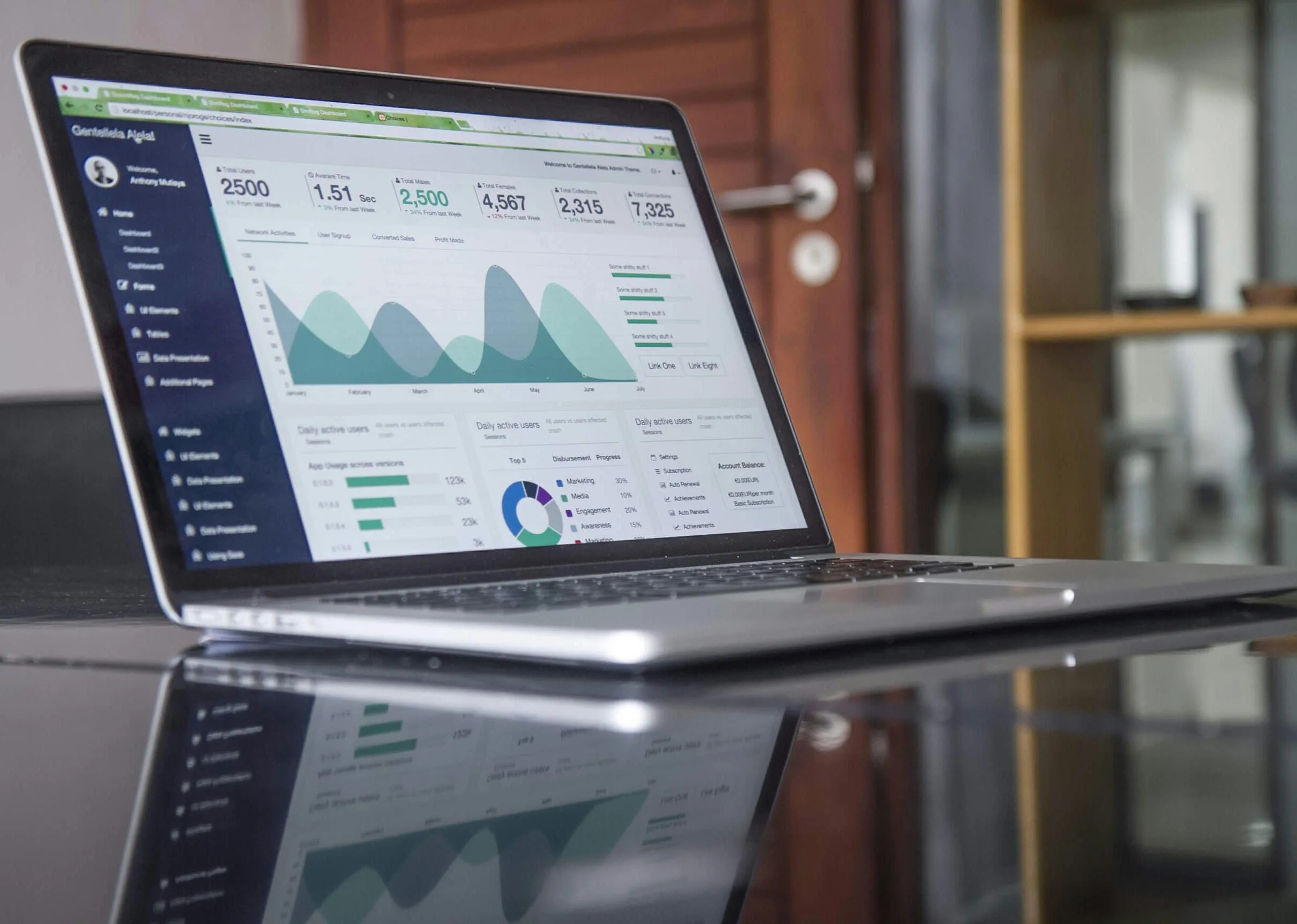
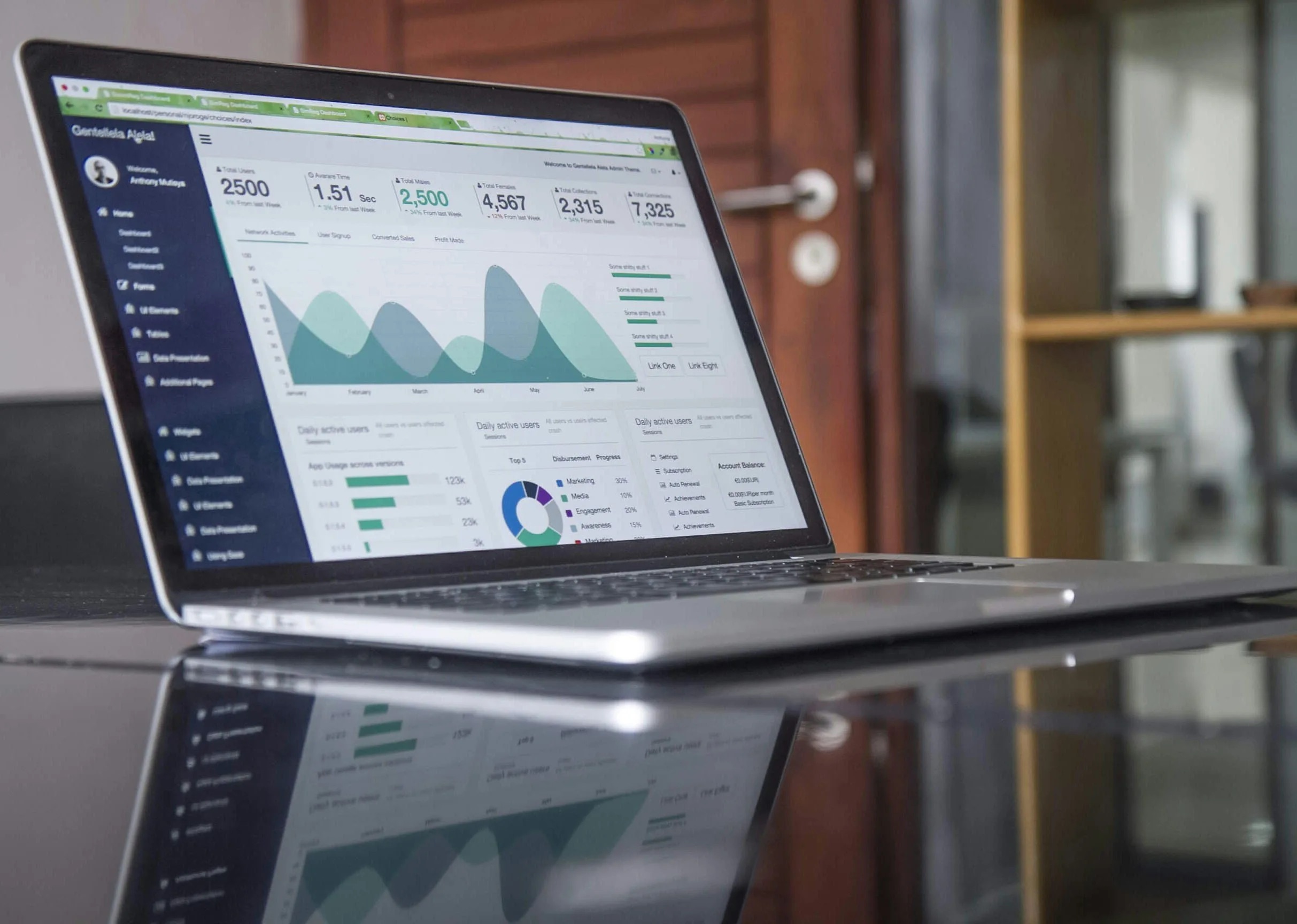
A billboard can prompt someone to search for a brand hours after they pass it. They might visit the website directly, click a search advert or return later to buy.
That journey makes outdoor advertising difficult to measure through website analytics alone. The final click tells you how someone arrived, but it may reveal little about what created their interest.
A stronger evaluation connects campaign delivery with changes in online behaviour across the locations reached.
Establish What Was Happening Before Launch
Collect a baseline before the campaign begins. Where seasonality and the buying cycle allow, four to eight weeks of data can help establish normal patterns.
Record website activity alongside conversions and other marketing running during that period. Keep tracking definitions consistent throughout the test so changes in analytics don’t distort the comparison.
Decide what success means, too. More visits may be useful, but product views, store searches or completed enquiries could be closer to the commercial objective.
Compare Campaign Areas With Suitable Controls
Choose comparison areas that resemble the campaign locations in historic traffic, customer profile and product availability. Pricing and other marketing activity should be as comparable as possible.
Then examine how both groups change over time. If visits increase more in the areas receiving OOH, that difference provides evidence worth investigating.
It remains an estimate. The strength of the conclusion depends on the quality of the comparison and whether other factors could explain the change.
Confirm the campaign’s actual coverage as well. A location with repeated exposure across several sites is different from one with a single distant billboard.
Follow Search and Direct Visits
Outdoor advertising can create demand that appears in another channel’s report. Someone may remember the brand and search for it rather than use the URL shown on the advert.
Monitor branded search and direct traffic by relevant geography, where the data is reliable enough. Look at what those visitors do next, including whether they explore products or complete an enquiry.
A distinctive campaign phrase can provide another useful signal when people search for it after seeing the creative.
Give Tracking Links a Supporting Role
Short URLs, QR codes and promotional codes can capture direct responses. They cover the people who use them, leaving other journeys unrecorded.
Choose a response mechanism that fits the setting. A QR code may suit a station or shelter where someone has time to scan safely. A roadside billboard needs a message people can remember and act on later.
Assess these responses alongside the wider traffic and conversion evidence.
Account for Other Changes
Website traffic can move for many reasons. Record promotions, PR coverage, email campaigns and changes to paid media budgets during the test.
Stock availability and website updates can also affect results. A new landing page might improve conversion, while an unavailable product could prevent increased interest from becoming sales.
Compare response patterns with campaign dates and delivery. Repeated changes across relevant areas offer stronger evidence than a single spike on launch day.
Report What the Evidence Supports
The most convincing case combines verified delivery with stronger search demand, useful website activity and smaller changes in comparison areas.
Continue tracking for a period that reflects the purchase cycle. Some people will respond quickly; others may search or return after the posting period ends.
Explain the assumptions and remaining uncertainty in the report. The findings should help decide whether to repeat the campaign, change its geography or improve the response journey.
One Day Agency connects outdoor campaign planning with web, search and commercial measurement. Read the full guide to assessing whether OOH drove website traffic for more on geographic testing, tracking and reporting.