Key Takeaways
Best of both worlds: CTV merges the premium living room viewing experience with precise digital audience targeting.
Hidden hurdles: Platform fragmentation and tracking inconsistencies mean measurement requires looking at broader brand uplift rather than just last-click data.
Ad fatigue risk: Mismanaged frequency can lead to over-serving ads to the same households, wasting your budget.
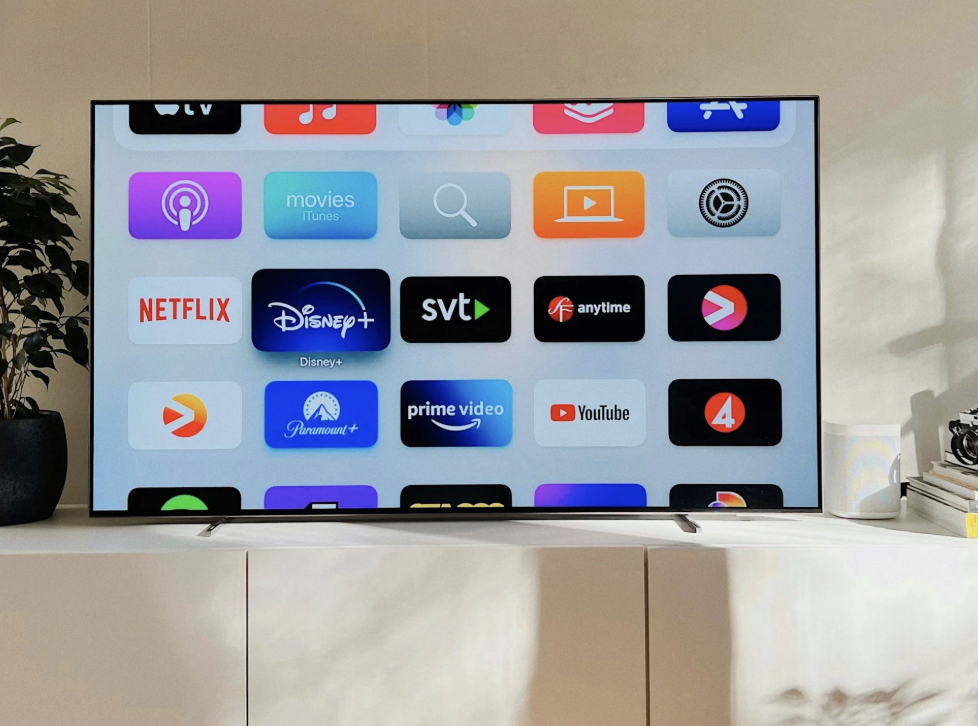
Connected TV (CTV) advertising allows brands to reach audiences on internet-enabled screens, including smart TVs, streaming devices, and gaming consoles. Industry data highlights that the TV set remains the heart of home entertainment, with the vast majority of in-home video viewing still happening on the main screen. CTV effectively bridges the gap between traditional television fame and modern digital precision, giving advertisers a valuable route into changing viewing habits.
The Major Advantages: Why CTV Works
The primary benefit of CTV is its unique blend of premium scale and granular digital control. Instead of relying solely on broad, traditional demographics, advertisers can target specific households based on location, interests, and viewing contexts. This provides national brands with a tool to gain incremental reach beyond linear TV, while allowing regional brands to run highly focused campaigns in selected postcodes.
Furthermore, CTV captures audiences who have largely abandoned scheduled linear television for on-demand apps and streaming services. Video ad spend in the UK continues to grow rapidly, reflecting this fundamental shift in consumer behaviour. Brands can now access lighter TV viewers who still spend significant time with premium video content.
Far from being just an awareness tool, CTV effectively supports full-funnel marketing campaigns. A high-impact TV ad builds immediate credibility and emotional resonance, which helps make paid social or PPC activity more effective. When synced with digital channels, it creates a powerful ripple effect. Viewers see the ad on the big screen, search for the brand on their mobile devices later, and convert via paid search.
The Disadvantages: The Hurdles You Cannot Ignore
Despite its rapid growth, CTV is not a flawless marketing channel. Advertisers must navigate several distinct operational challenges before launching a campaign.
A fragmented market: Inventory is scattered across device manufacturers, broadcaster platforms, and programmatic marketplaces. Different platforms use varying buying routes, data sets, and technical standards, making campaign delivery surprisingly complex to manage.
The measurement puzzle: Attribution is rarely straightforward. Viewers do not directly click on a traditional TV screen, meaning your data can look messy if you rely purely on standard digital metrics. Success must be tracked via view-through rates, branded search uplift, and regional sales spikes rather than last-click performance.
Frequency fatigue: A major issue for streaming audiences is ad repetition. Without strict platform controls, the same household can see your creative multiple times in a single viewing session, irritating potential customers and wasting ad spend.
Premium price tags: CTV inventory commands higher costs than standard online video. If you only want cheap, volume-based views, this channel will not make financial sense.
Maximising Your Investment
CTV delivers the highest return when treated as an integrated part of a wider media plan. It requires high-quality, polished creative tailored specifically for a relaxed, lean-back viewing environment. Simply recycling short, vertical social media assets will not work on a large screen.
Ultimately, CTV makes sense if you require the prestige of the living room screen but want to avoid the wastage of traditional linear buying. By syncing your streaming ads with search, social, and programmatic activity, you can turn big-screen attention into measurable business growth.
One Day Agency manages the entire CTV process, helping brands select the right platforms, buy media effectively, and adapt creative assets for the big screen. They integrate these streaming campaigns with linear TV, search, and social channels to ensure unified measurement and maximise conversions across your wider media mix.