Key Takeaways
Location drives results: Target specific high streets, transport hubs, or residential neighbourhoods to reach your precise target audience.
Format flexibility matters: Choose traditional printed posters for cost-effective, constant visibility, or digital screens for time-specific, dynamic messaging.
Simplicity wins: Keep your design clean with high-contrast visuals, a singular clear message, and a direct call to action like a QR code.
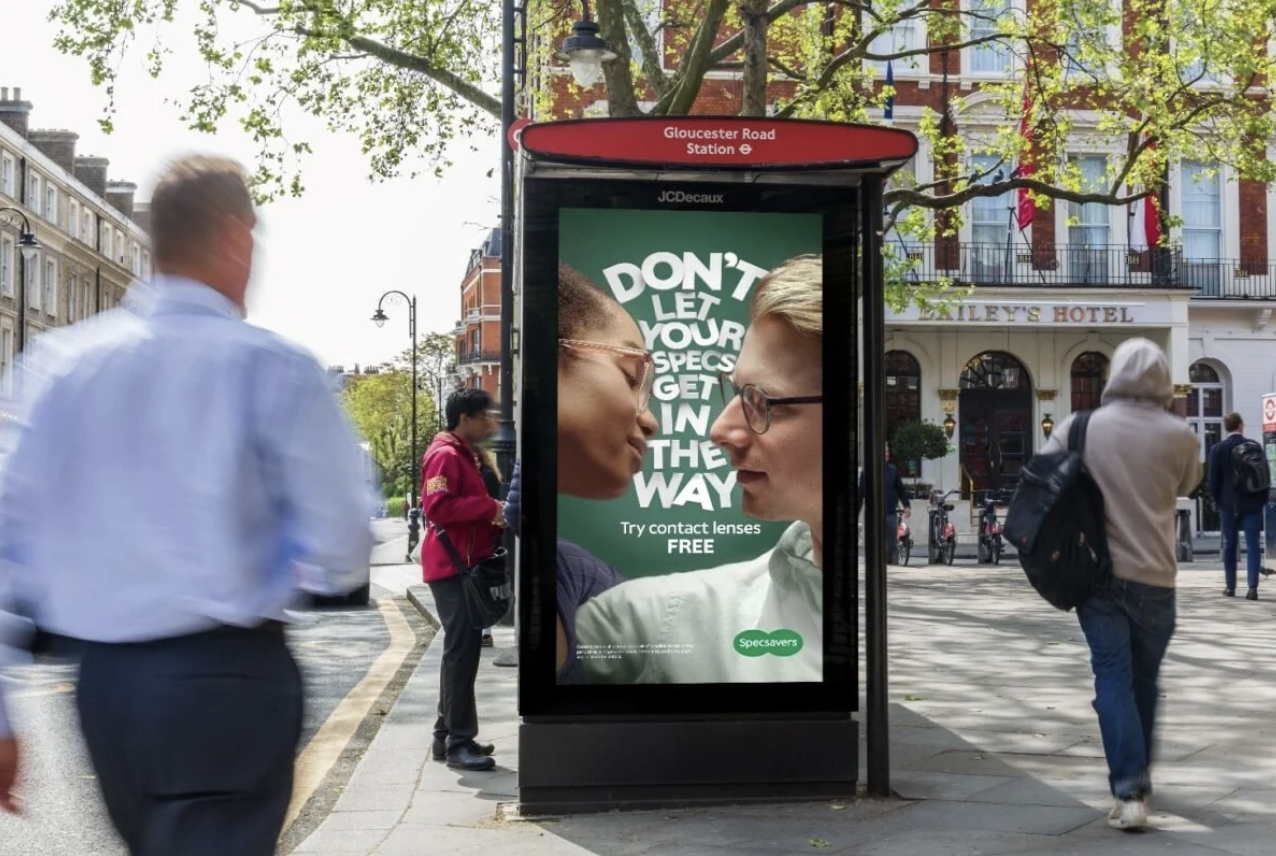
Bus stop advertising gives brands a highly practical way to connect with consumers at street level. Whether people are waiting for a bus, walking to work, or driving past, these displays offer unmissable visibility. To gain the highest return on investment, you need a smart strategy covering everything from location planning to creative execution.
Define Your Campaign Objectives
Before booking space, identify what success looks like. Bus shelter campaigns work brilliantly for diverse outcomes, including driving shop footfall, boosting website traffic, promoting events, or launching recruitment drives. Targeting physical stores requires distinct local planning compared to launching a nationwide mobile app. Clear objectives make every subsequent choice simpler.
Target the Right Audience and Locations
The best locations align with your ideal customer rather than just having the highest footfall. Think about who you want to reach. Commuters, students, office workers, and families frequent different parts of a town or city. If you target students, book shelters near university campuses. For local retail, focus on the immediate high street or nearby residential routes to catch residents on the move.
Select the Perfect Format
When planning your street-level campaigns, you generally have two primary format options:
Classic 6-Sheet Posters: These traditional printed adverts are often backlit for 24-hour visibility. They are perfect for long-term brand awareness, straightforward promotional offers, and public information campaigns where a continuous presence is required.
Digital Screens: These allow for animated imagery and update instantly. They give you the flexibility to alter messaging based on the time of day, the weather, or specific flash sales.
For maximum impact in busy city centres, you can opt for a full bus stop takeover, using multiple panels, vinyl wraps, and digital screens to dominate the space entirely.
Master the Creative Layout
People interact with bus shelters in two ways: some stand inside them for minutes, while others glance while driving past. Your design must cater to both. Keep copy to a minimum, use bold, high-contrast colours, and ensure your logo is prominent. Make the message relevant to the specific area, such as offering a lunch deal near offices, and include a clear next step like a QR code or short web address.
Manage Timing and Regulations
Most outdoor campaigns are booked in fixed two-week blocks, allowing for repeated exposure which builds familiarity and consumer trust over time. Before moving to production, ensure your artwork meets all technical dimensions, safety rules, and local authority planning guidelines. Regulated products often face strict restrictions, so verifying your creative compliance early protects your launch timeline.
Sync with Wider Digital Marketing
Street-level advertising becomes far more powerful when connected to digital channels. Consumers frequently search for a brand on their phones immediately after seeing an outdoor display. Ensure your search ads, paid social media, and local SEO are fully synchronised so that when a customer looks you up, they find a seamless path to purchase.