Key Takeaways
The Multiplier Effect: Billboard ROI cannot be measured by a single sales figure. Outdoor advertising acts as a catalyst, driving a massive uplift in branded search, website visits, and footfall that often gets misattributed to digital channels.
The Long Game: Judging a billboard solely on immediate conversions misses more than half its value. Studies show that while out-of-home advertising delivers a solid short-term return, its total financial impact more than doubles over time as brand memory cues trigger later purchases.
The Creative Bottleneck: Media buying is only half the battle. Because consumers glimpse billboards in passing, maximum ROI depends on ruthless creative simplicity: one message, one strong visual, and an unmistakable brand name.
In a marketing world obsessed with immediate clicks and digital tracking, physical billboard advertising can feel like a relic from a different era. Many digital-first brands look at a roadside poster and ask a simple question: how do we track the direct return on investment? But new research into real-world consumer behaviour shows that judging a billboard solely by immediate sales is a fundamental mistake.
Billboards do not operate in a vacuum. Instead, they act as the ultimate top-of-funnel trigger. A consumer sees a billboard during their morning commute, forgets about it for three hours, and then searches for the brand on their lunch break. When that user buys a product, Google Analytics credits the sale to paid search or organic traffic. In reality, the billboard did the heavy lifting. To truly understand outdoor advertising, brands must stop looking for a simple sales number and start looking at how physical presence supercharges their digital performance.
The True Math of Outdoor Impact
The commercial value of out-of-home advertising is quietly booming, with UK revenues recently hitting a record £1.44 billion. This investment is not driven by nostalgia; it is driven by raw numbers. A single standard 48-sheet poster can generate over 170,000 views in just a fortnight.
More importantly, independent research highlights a massive gap between short-term and long-term profit. Data reveals that while outdoor media delivers a reliable short-term profit return of £1.19 for every £1 spent, that figure jumps to £2.78 when you factor in the sustained, long-term effects. If you judge your campaign based only on week-one data, you are missing more than half of the financial picture. Repeated exposure builds a subconscious trust and familiarity that pays off months down the line. To achieve an even higher baseline of visual impact, many modern brands are now looking toward high-tech innovations such as 3D billboard advertising to instantly capture the imagination of moving crowds.
Connecting the Billboard to the Click
Because billboards influence digital behaviour, the smartest way to measure them is through a hybrid approach. You cannot force a physical poster into a standard digital attribution model, but you can track the ripples it leaves across your online data.
When a campaign goes live, clever brands do not look for coupon codes; they monitor their analytics tools for a lift in branded search terms within that specific region. They compare website traffic between areas with billboards and areas without them. They also look for drops in their pay-per-click acquisition costs, because customers who already recognise a brand from a billboard are much more likely to interact with online ads. A robust PPC strategy works significantly better when physical media has established market trust beforehand. The billboard creates the initial demand, and your digital channels simply collect the cash.
The Law of the Five-Second Glimpse
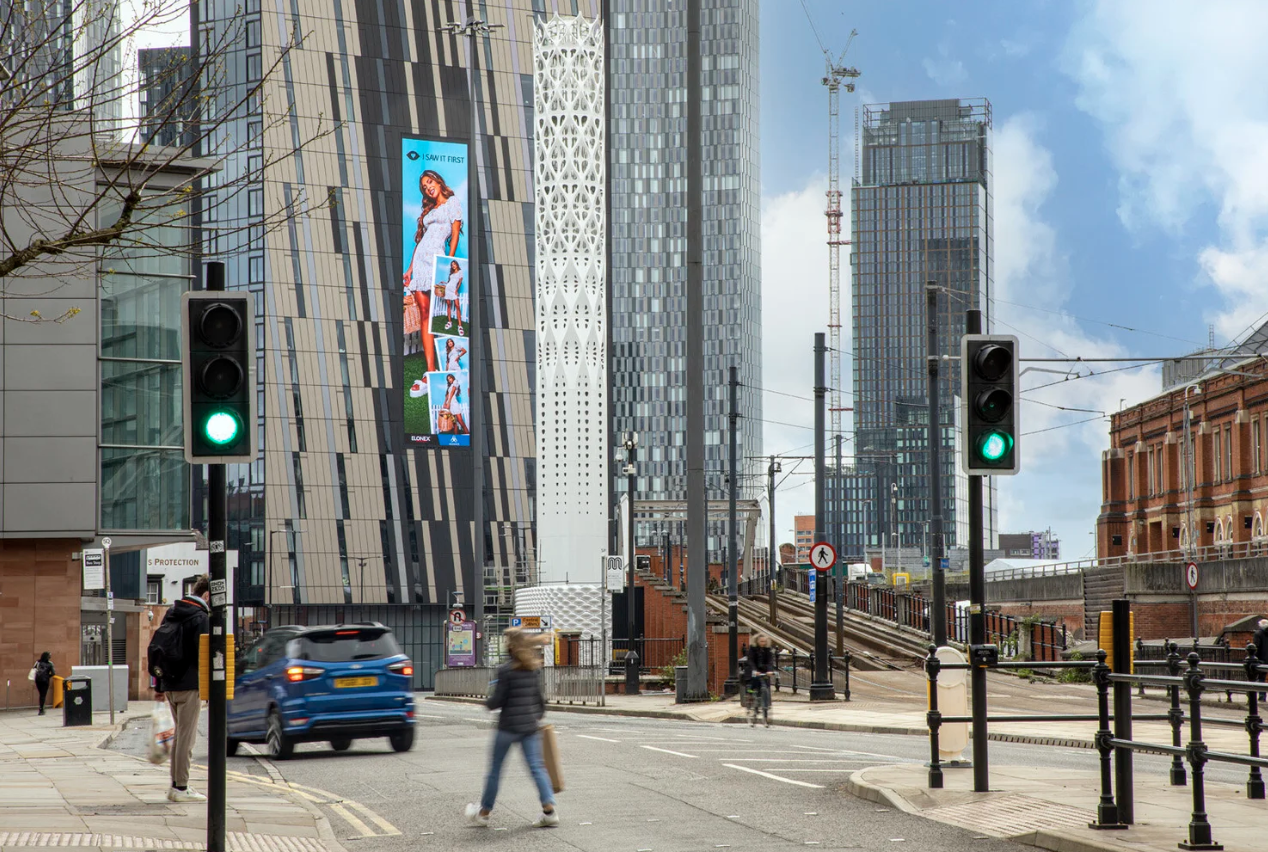
The biggest threat to billboard ROI is not the location or the budget; it is the creative layout. A billboard has a tiny window—often less than five seconds—to make an impression on a passing driver or commuter.
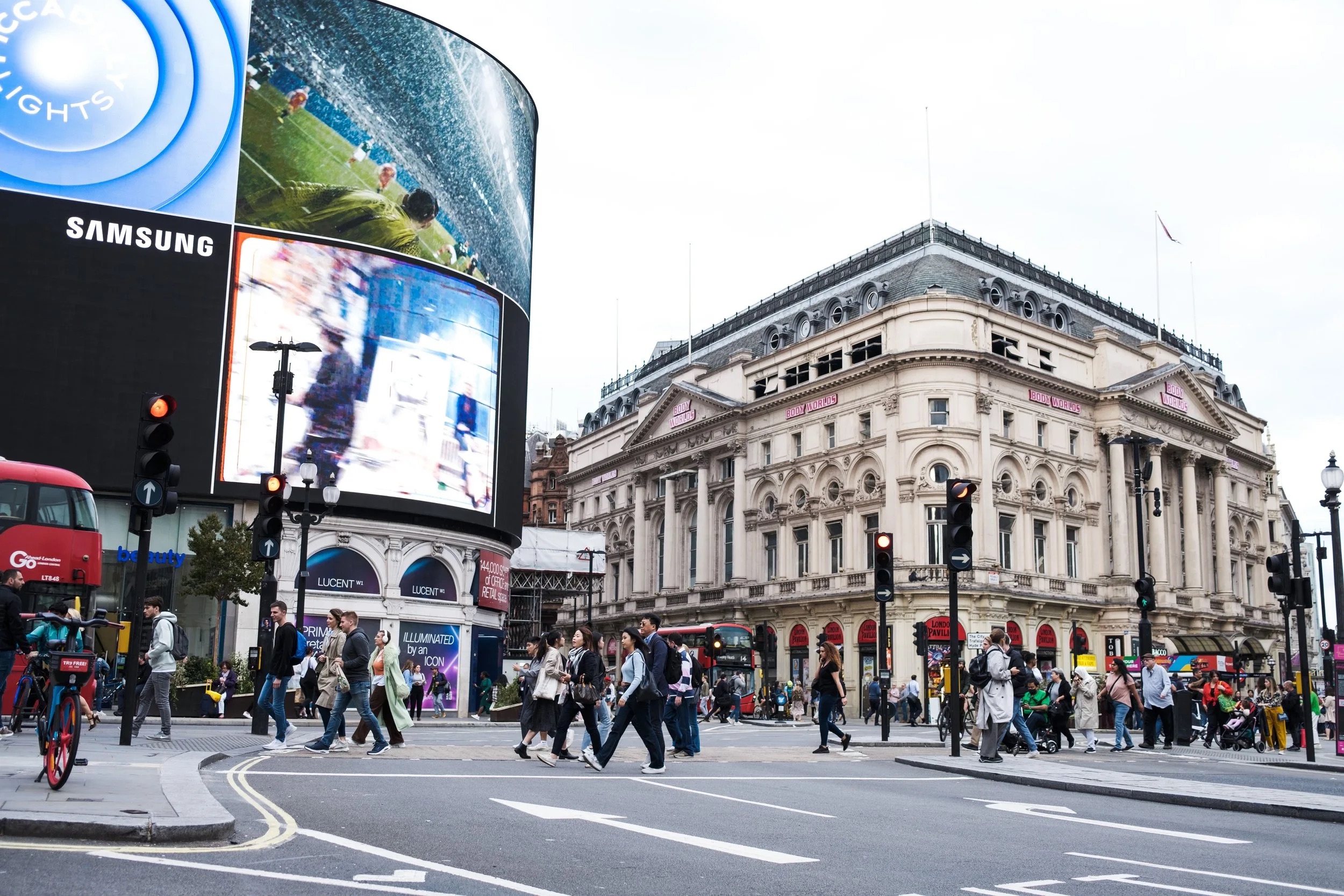
Many brands fail because they try to treat a poster like a magazine ad, packing it with block text, phone numbers, and multiple product features. High-return campaigns do the exact opposite. They are ruthlessly simple. They use one striking image, one clear message, and an unavoidable brand logo. This concept applies whether you are using traditional print or modern digital billboard placements, where movement and warping can be used to warp perception and stop pedestrians in their tracks. If a consumer cannot understand exactly what you do and who you are in a single glance, your media budget is wasted.
Location Meets Intent
Ultimately, billboards win because they cannot be blocked, skipped, or turned off. They provide an inescapable, premium presence in public spaces that crowded social media feeds cannot match. To maximise your return, look beyond raw impressions and focus on context.
An effective out-of-home advertising campaign relies on placing your message exactly where your audience has the time to digest it. By syncing these physical assets with targeted digital marketing services online, you ensure that you catch high-intent users at every single stage of their journey. When you stop treating offline and online as enemies, you finally unlock the true power of your marketing funnel.