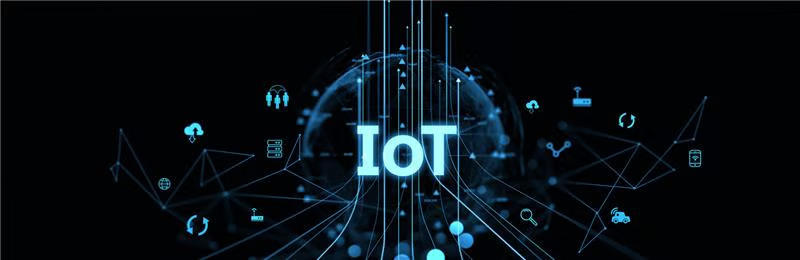
By 2026, there are expected to be over 21 billion IoT data platforms worldwide. This massive scale of data gives manufacturing a new nervous system. With that scale of real‑time signals flowing in, digital twins no longer just model machines on paper. They become living, breathing representations. They let you detect problems, test scenarios, and optimize operations before a single bolt is tightened.
The real inflexion point, however, isn’t merely the volume of data or even improved simulation capabilities. It’s that manufacturing leaders are beginning to treat operational data as a strategic asset class rather than a byproduct of production. That shift is quietly reshaping how decisions are made across factories, supply chains, and product lifecycles.
Digital Twin Technology Enters the Decision Layer
The first generation of digital twins supported engineering visibility. For instance, letting maintenance teams at an automotive plant visualize the real-time condition of robotic welding cells to prevent unplanned downtime. The next generation, however, is being designed to support executive decision-making across the entire factory network.
Organizations are moving from monitoring to predicting, predicting to pre-orchestrating, and from isolated asset-level models to interconnected intelligence.
These systems will no longer simply report what is happening. They will increasingly recommend what should be done next — and explain why. This evolution marks the transition from digital twin technology as operational tools to digital twins as prescriptive decision engines.
A Digital Twin as a Parallel Operating System
For advanced manufacturers, the digital twin is becoming much more than a technical model. It is emerging as a parallel operating system for the business.
At full maturity, it serves as:
1) The unified source of operational truth
Consolidates data, definitions and KPI logic, so operations, finance, supply chain — all use the same numbers when making decisions.
Implementation:
Mandate a short list of standard metrics (e.g., energy per unit, yield loss cost) and lock their definitions at the board level so dashboards can’t diverge.
Choose one platform or, if federated, clearly identify the legal source for the operational metrics used in financial reporting and investment cases.
Measure adoption with one metric. Percentage of executive decisions like capex, line change, supplier switch that cite the twins’ KPIs in their rationale.
2) A real-time risk and scenario engine
This helps monitor models, supply shocks, equipment failures, energy price spikes, and regulatory changes, and quantifies the impact on cash, margin, and service level.
Implementation:
Build the scenarios so that the system can run monthly: e.g., +20% demand, 48-hour supplier outage, energy price spike.
Embed finance linkages that ensure scenario outputs (lost throughput, extra spend) map directly to Profit and Loss (P&L) and working-capital lines so the Chief Finance Officer (CFO) can stress test liquidity.
Define early warning thresholds. Move a handful of scenario triggers (e.g., rolling 7-day predicted downtime > X hrs) into executive alerts that require immediate mitigation planning.
Run “tabletop” rehearsals like quarterly executive drills using live twin outputs to validate playbooks and capital release triggers.
3) A profitability and cost-sensitivity compass
What it does: converts operational levers (speed, scrap, maintenance frequency) into direct margin and cash outcomes so you can prioritise interventions by ROI.
Implementation:
Implement ROI grading for every operational change, so that any process change must demonstrate a twin-backed impact on margin and working capital before approval.
Create a “cost sensitivity” dashboard. Show how a ±5% change in uptime, yield, or energy cost flows through to overall earnings and available cash.
Use the twin for internal chargebacks. Tie line or plant cost Key Performance Indicators (KPIs) to internal transfer pricing, so business units feel the financial consequences of operational performance.
4) A capacity and resource optimizer
It helps dynamically allocate production across lines and sites based on predictive yield, energy cost, and service commitments.
Implementation:
Start with one use case and pilot across two plants: route high-priority Stock Keeping Unit (SKUs) to the site with the best predicted yield & lowest incremental cost on any given day.
Tie energy procurement into scheduling. Feed day-ahead energy prices into the twin to identify windows where shifting production materially reduces cost.
Integrate workforce capability maps. Match available skills and certifications to the proposed schedules to avoid costly last-minute overtime or quality loss.
VE3 often supports this stage by designing orchestration layers that can grow from a pilot to a multi-site network without rebuilding the core each time.
5) A sustainability audit layer
Measure carbon, energy and material flow at the SKU level and connect them to financial tradeoffs and regulatory exposure.
Implementation:
Use digital twin technology to create auditable carbon-intensity numbers for best-selling SKUs, including energy, waste, and direct material emissions.
Configure the twin to flag actions that would breach contractual ESG clauses or that are likely to breach future regulations.
6) An innovation sandbox for design teams
What it does: allows rapid virtual experimentation across materials, line layouts, and control logic with real production constraints and costings.
Implementation:
Formalize a “twin-first” rule for prototype testing. Every design or change process must be validated in the twin before physical prototypes are commissioned.
Create a runbook for rapid virtual experiments. Time-box experiments with pre-defined success criteria tied to throughput, cost, or time-to-market.
Move ‘design freeze’ gating into the twin. Only when twin simulations meet targets does a project move to physical trials, which reduces wasted prototype spend.
From IoT Platforms to Enterprise Digital Twin Analytics
Most manufacturers began their digital journey by deploying IoT platforms to collect equipment data. Early gains came from sensorisation, condition monitoring, and simple threshold-based alerts. These efforts created visibility but not intelligence.
The shift underway now is that IoT platforms are becoming the backbone of entire manufacturing ecosystems. They no longer sit on the edge, feeding dashboards. They provide streaming data pipelines, semantic models, time-series harmonization, and event frameworks that underpin digital twins.
In other words, the digital twin is only as strategic as the analytics architecture beneath it.
Leading organisations in the UK are moving from:
- Asset-level telemetry to behavioral models
- Plant-level KPIs to network-wide optimization logic
- Historical analysis to live, explainable decision simulations
Instead of describing what a machine or line is doing, the analytics layer begins to model how the entire manufacturing system behaves, how it should respond to pressure, and where financial and operational value will concentrate.
The Strategic Advantage: Optionality
The next competitive moat is optional. It is the ability to pivot operations before external forces dictate the pivot.
Digital twins expand optionality along multiple vectors:
Operational optionality
Reallocate production across sites dynamically based on expected yield, predicted downtime, labour availability and energy pricing.
Design optionality
Simulate hundreds of design, material or automation paths before committing real capital, reducing both risk and time-to-market.
Supply chain optionality
Model geopolitical shifts, shipping volatility, supplier fragility and energy exposure weeks or months before they affect the P&L.
Cost optionality
Switch between operational modes based on fluctuating energy markets, raw material prices, or expected quality costs.
Workforce optionality
Predict skill gaps and configure staffing to match actual demand rather than historical patterns.
The organisation becomes manoeuvrable in a world where volatility is the norm.
VE3 complements this with predictive analytics and scenario-planning services. By integrating real-time IoT data, VE3 enables organizations to test design, operational, and supply chain alternatives virtually, ensuring that pivots are proactive, financially sound, and aligned with sustainability goals.
Why It Matters?
Digital twin analytics and IoT data platforms help answer three fundamental questions:
How can we stay resilient without inflating cost structures?
Twins quantify the minimum investment required to remain stable under different risk profiles.
Where are the hidden cost leakages impacting margin?
They expose micro-inefficiencies that compound into significant financial and operational drag.
What is the next best move for the business overall?
Beyond isolated fixes, twins guide enterprise-level optimization.
The Emerging Competitive Divide
By 2028, the meaningful separation won’t be between digital adopters and laggards. It will be between organisations that model their entire business ecosystem and those that only model assets.
The former achieves adaptability.
The latter remain reactive — until market shifts make that position untenable.
Make your operations smarter with VE3. Get in touch now.