Planning a Marketing Budget Across Multiple Markets
Key Takeaways
Allocate around opportunity: Brand awareness, distribution and media costs should influence each market’s share.
Give channels a clear purpose: OOH can build public visibility, while digital supports consideration and captures demand.
Invest enough to learn: Concentrate budget where it can deliver meaningful coverage, then use the results to guide expansion.
Dividing a campaign budget equally between markets looks tidy in a spreadsheet. The commercial opportunity rarely divides so neatly.
One city may need stronger brand recognition. Another may already have demand but a weak buying journey. Differences in distribution and media costs can change what the same investment achieves.
A useful budget reflects those conditions while giving every market a clear role in the wider campaign.
Start With the Job Each Channel Needs to Do
Decide what the campaign needs to change before choosing an OOH-to-digital split.
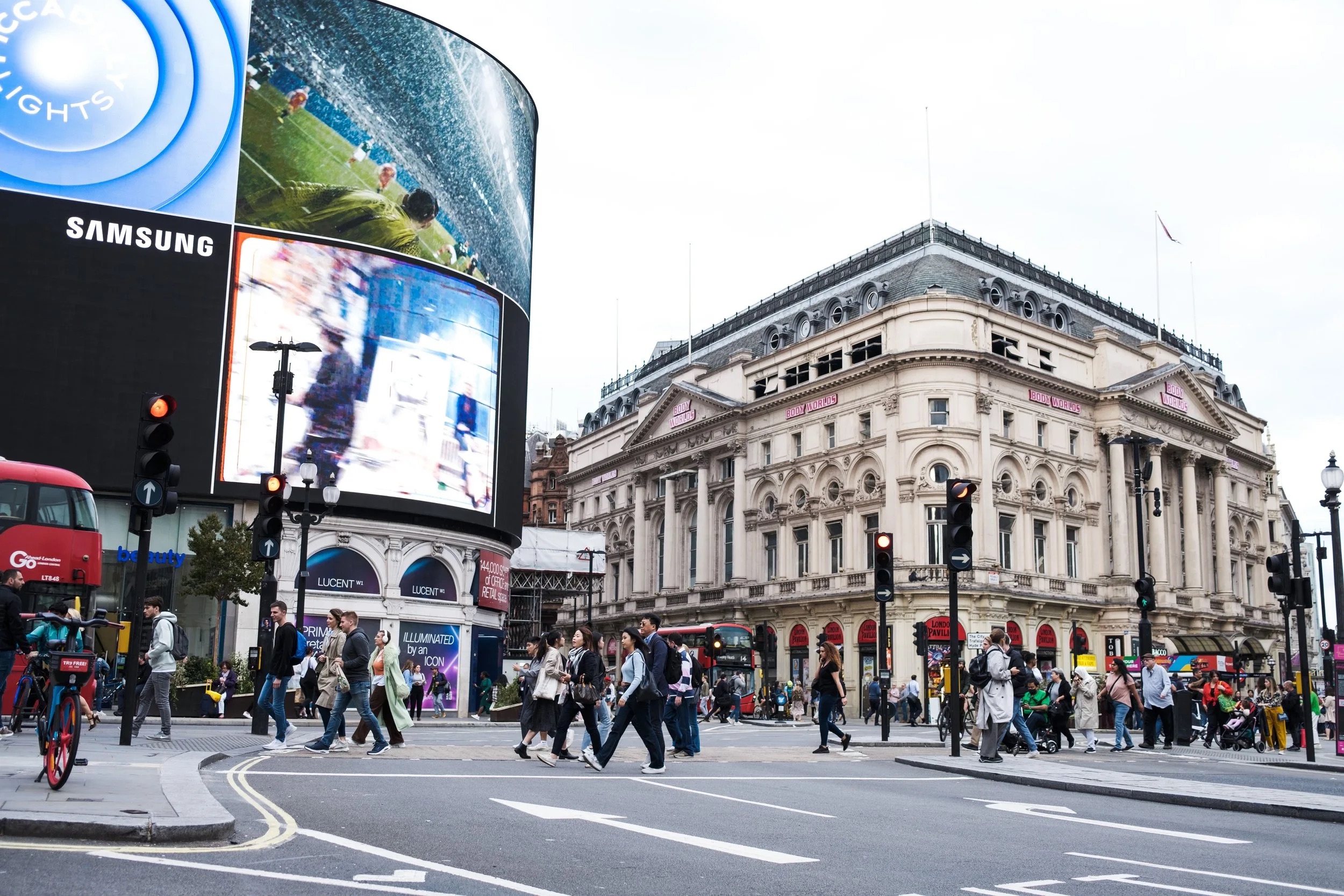
For a new brand entering several cities, outdoor advertising can help establish a visible presence. Search and paid social can then help people explore the offer and take the next step.
An established retailer running a short promotion may need a different balance, with more investment focused on reaching customers who are already considering a purchase.
Be specific about each channel’s contribution. “Build awareness” is a starting point, but the plan also needs to explain which audience it will reach and where.
Treat Budget Ratios as Scenarios
An allocation of 25% to 40% of working media spend to OOH, with the remainder going to digital, can be a scenario to model. It should be tested against the campaign requirements rather than treated as a universal benchmark.
Does the outdoor share buy enough coverage and repetition? Can the digital allocation support prospecting as well as demand capture?
Keep production, localisation, research and agency costs visible alongside working media. The total campaign requirement extends beyond the money spent on placements.
Prioritise Markets With Room to Grow
Assess markets using customer value, sales potential, existing awareness and operational readiness. Population alone won’t tell you where investment is most likely to work.
Priority markets might receive the full OOH and digital mix. Other locations may suit a narrower plan where demand already exists.
A small number of test markets can help answer questions before the campaign expands. Where appropriate, comparable areas without the additional activity can provide a useful reference for measurement.
Give Each Market Enough Presence
A handful of scattered posters may create sightings without building useful familiarity. Outdoor investment needs enough reach and repetition to support the objective.
Digital activity also needs sufficient volume to generate useful learning. Spreading a modest budget across too many locations can leave every market struggling to produce a clear result.
Compare the coverage each allocation can deliver. A focused campaign in fewer markets may provide a stronger basis for expansion.
Prepare for the Demand You Create
When people notice an outdoor campaign, their next action may happen elsewhere. They might search for the brand, visit its website or check local availability.
Reserve budget and prepare the buying journey before the campaign goes live. Relevant landing pages, clear stock information and search coverage can help turn recognition into action.
Assess whether digital activity adds new business, too. A platform reporting conversions doesn’t automatically show how many purchases the campaign created.
Use Consistent Measures to Rebalance
Agree on common definitions across markets, including new customers, branded search and incremental sales. Local conditions can vary while the definition of success stays consistent.
Review delivery and response together. Include differences in stock, promotions and creative quality when interpreting performance, and allow time for effects beyond the initial campaign period.
The next decision might be to increase outdoor coverage where awareness remains low, strengthen search where demand is being missed or concentrate on fewer markets.
One Day Agency plans outdoor and digital investment within one framework across locations. Read the full guide to marketing budgets for multi-market campaigns for more on market priorities, channel allocation and measurement.