It’s a valid question. Smartphones are powerful. Social media rewards authenticity. DIY can be fast, inexpensive, and flexible. But here’s the catch: your visuals are often the first—and sometimes only—interaction your customers have with your product.
The wrong decision can quietly cost you sales, trust, and long-term brand credibility. On the other hand, a smart approach can accelerate growth, improve conversions, and elevate your brand, even on a modest budget.
In this post, we’ll explore when DIY works, when it doesn’t, and how professional product shoots add real business value—so you can make decisions that actually help your bottom line.
Why Product Visuals Are Critical for E-commerce Success
Imagine scrolling through an online store. You see two similar products. One has crisp images and a short video showing the product in use. The other is poorly lit, blurry, and inconsistent. Which would you trust?
In the digital world, images and videos are your brand’s sales team. They don’t just show what you’re selling—they communicate quality, credibility, and reliability.
Poor visuals can make products feel cheap or untrustworthy, even if the product itself is high quality. Conversely, professional, consistent visuals help:
Increase conversions – shoppers are more likely to buy if the product is clear and appealing.
Reduce returns – when customers know exactly what they’re getting, disappointment decreases.
Strengthen your brand – polished visuals create a perception of quality, even for small brands.
This is why your approach to product photography and video matters as much as your actual product.
When DIY Product Shoots Make Sense

DIY isn’t the enemy. In fact, it’s a powerful tool when used strategically. Here are scenarios where DIY can work well for your business:
1. Testing a New Product or Market
If your product is in the early stage—maybe it’s a prototype or limited edition—speed matters more than polish.
DIY shoots allow you to:
Test listings quickly
Gather customer feedback
Adjust product messaging
For example, a small stationery brand launching a new notebook might use DIY flat-lay shots on Instagram to gauge interest before investing in professional photography. At this stage, the goal isn’t to create award-winning visuals—it’s to validate demand quickly and efficiently.
2. Content That Is Short-Lived or Platform-Specific
Not every video or image needs to last forever. Social platforms often reward immediacy and authenticity. DIY works best for:
Instagram Stories
TikTok demos
Behind-the-scenes content
Flash sales promotions
The beauty of DIY here is that it doesn’t feel overly polished—it feels real, relatable, and human. For SMEs trying to build an audience, this can actually increase engagement.
3. Simple Products in Controlled Environments
DIY is feasible when your products are straightforward and forgiving:
Small, lightweight items
Minimal reflective surfaces
Neutral colors that don’t require exact color reproduction
For instance, a handmade soap brand could DIY shots near a window with a plain backdrop. With consistent lighting and careful framing, you can create clean, appealing visuals without expensive equipment.
4. You Have Control Over Light and Consistency
Lighting is the single biggest factor separating amateur from professional visuals. Even a simple smartphone can create great results if:
The light is consistent across shots
Shadows are managed
The product is isolated from distractions
Consistency matters more than “creativity” at this stage. Poor lighting leads to confusing images and customer mistrust. A well-lit DIY setup can make a big difference.
DIY Setup Tips That Actually Work
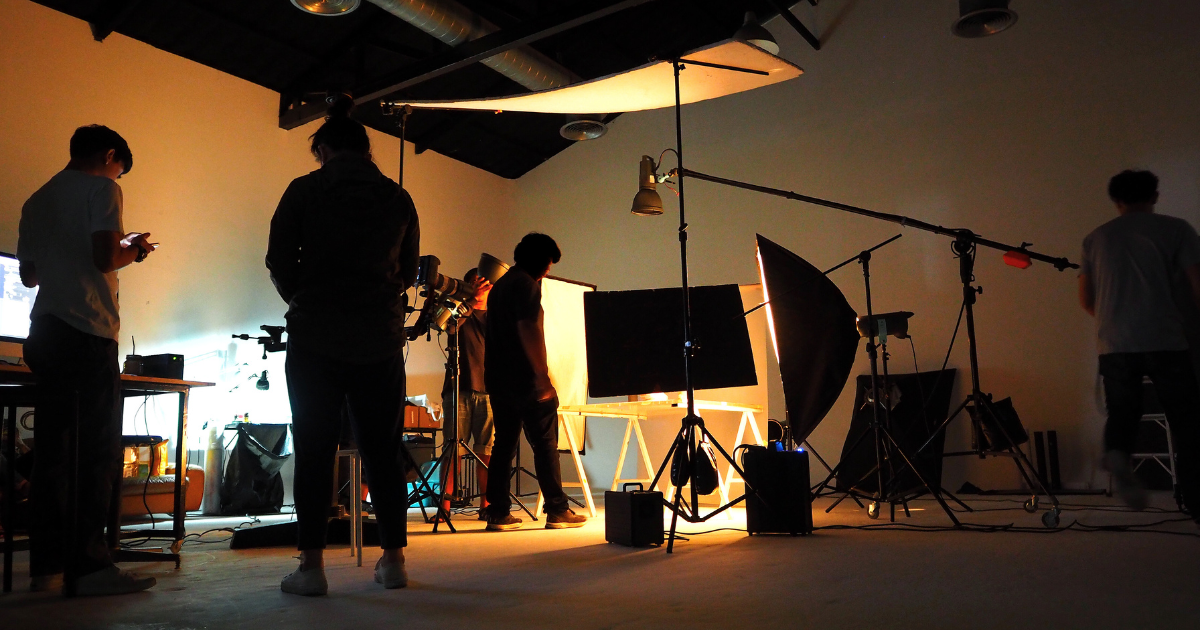
Here’s a simple, realistic setup you can use without a studio:
Neutral Background – plain white or neutral tones work best.
Stable Camera – use a tripod or stable surface to avoid shaky shots.
One Consistent Light Source – natural light near a window is ideal.
Controlled Environment – keep clutter out of frame.
This setup is ideal for simple products and allows for reliable, repeatable shots. But remember: as your business scales, this approach has limits.
When DIY Starts Hurting Your Business
DIY rarely fails dramatically. Instead, it underperforms silently—and that’s often worse.
1. Customers See a Gap Between Expectation and Reality
If the product looks better in person than online, you’re likely to face returns or complaints. Examples include:
Colors appearing washed out
Textures or materials not clearly visible
Size discrepancies
These issues can erode trust quietly but steadily. Customers may hesitate to purchase from you again or leave negative reviews.
2. DIY Consumes More Time Than It Saves
What starts as a simple shoot can turn into hours or days of frustration:
Re-shooting shots
Editing inconsistencies
Managing light and camera angles
Time spent fixing DIY content is time lost growing your business. Professional shoots consolidate these tasks efficiently.
3. Competitive Markets Expose Visual Weakness
Your customers will compare your visuals to competitors. If your DIY images are inconsistent or low-quality, your products may feel inferior—even if they’re not.
Professional visuals help you stand out, not just fit in, which is critical for e-commerce, where differentiation is often subtle.
4. Paid Ads and Marketplace Listings Magnify Quality
When investing in paid social campaigns, poor visuals reduce ROI:
Lower engagement
Higher cost-per-click
Reduced conversion rates
Professional shoots ensure that every asset is ad-ready, consistent, and conversion-focused.
The Business Value of Hiring Professionals
Hiring a professional isn’t about cameras—it’s about results, predictability, and efficiency.
Professional shoots offer:
Accurate color and scale
Consistent lighting and framing
Multiple usable assets for different platforms
High-quality video for product demonstrations
At Title Productions, we approach product shoots with business outcomes in mind. Our goal is to create visuals that sell, build trust, and reduce friction in the buyer journey.
DIY vs Professional: Making the Right Decision
DIY works best when:
Risk is low
Content is short-lived
Speed outweighs polish
Professional shoots are worth it when:
The product drives revenue
Brand perception matters
You’re scaling marketing
You need assets that last
Think of DIY as a strategic tool, not a long-term solution.
Why Product Videos Are a Game-Changer
DIY photos can sometimes work. DIY product videos rarely do.
Videos require:
Stable motion
Consistent focus
Controlled lighting
Clear storytelling
Poor video doesn’t look authentic—it looks untrustworthy. Video assets are crucial for:
E-commerce product pages
Explainer videos
Paid social campaigns
High-ticket or complex items
Examples of professional work can be seen on our Our Work page.
Studio-Based Shoots Minimise Guesswork
Using a professional studio solves many DIY challenges:
Eliminates lighting inconsistencies
Reduces setup and teardown time
Provides a controlled environment for repeatable results
Our Creative Studio in Manchester is designed specifically for product shoots, allowing businesses to focus on growth rather than technical setup.
Case Study Insights for SMEs
Across sectors—whether manufacturing, education, or consumer goods—businesses follow the same growth pattern:
DIY at launch
Mixed performance
Growth plateau
Upgrade to professional visuals → measurable impact on conversion and trust
You can see examples in our manufacturing and engineering case studies, where investment in professional visuals directly enhanced perception and engagement.
Final Thoughts: DIY Isn’t Bad — Guesswork Is
DIY product shoots are a tool in your growth toolkit. The mistake is relying on DIY long after it stops serving your business goals.
The strongest SMEs:
Use DIY strategically for testing and temporary content
Upgrade visuals when revenue, trust, and brand perception matter
Treat visuals as an investment, not an expense
If you’re unsure about your current stage or want to explore a professional shoot, we can help you plan assets that convert from day one.
Book a product shoot or speak with our team
Or explore more practical tips on our Creative Content Blog.