`Every year, new video trends emerge.
But not every trend is worth your budget.
For many local brands, councils, universities, and growing organisations, the real challenge isn’t keeping up with trends — it’s knowing which ones actually create value and which ones simply look impressive for a short time.
When organisations explore professional video production, they are not looking to be fashionable. They are looking to:
Communicate more clearly
Strengthen credibility
Improve engagement
Stand out in crowded markets
At Title Productions, we work with organisations across sectors to ensure creative choices support real business outcomes, not just aesthetics. This is how we see video evolving in 2026 — and how local brands can use these shifts strategically rather than blindly following trends.
Strategic Storytelling Over Cinematic Effects
The era of “pretty but empty” videos is fading.
In 2026, high-performing video content will be driven less by flashy visuals and more by intentional storytelling. Brands that succeed will be the ones that clearly answer:
Who is this for?
What should they feel?
What should they understand?
What should they do next?
This is why many organisations across education and higher learning and councils and government are shifting away from generic promotional videos and toward structured narrative-led content that communicates purpose and impact.
For local brands, this means investing in clarity before cameras.
Authentic People Over Polished Scripts
Audiences are becoming more sensitive to artificiality.
In 2026, viewers will increasingly trust:
Real staff speaking naturally
Real leaders sharing genuine insight
Real customers telling honest stories
Rather than over-scripted performances.
This is particularly relevant for sectors such as manufacturing and engineering, where authenticity and credibility matter more than performance. When people feel genuine on camera, the brand feels more trustworthy by default.
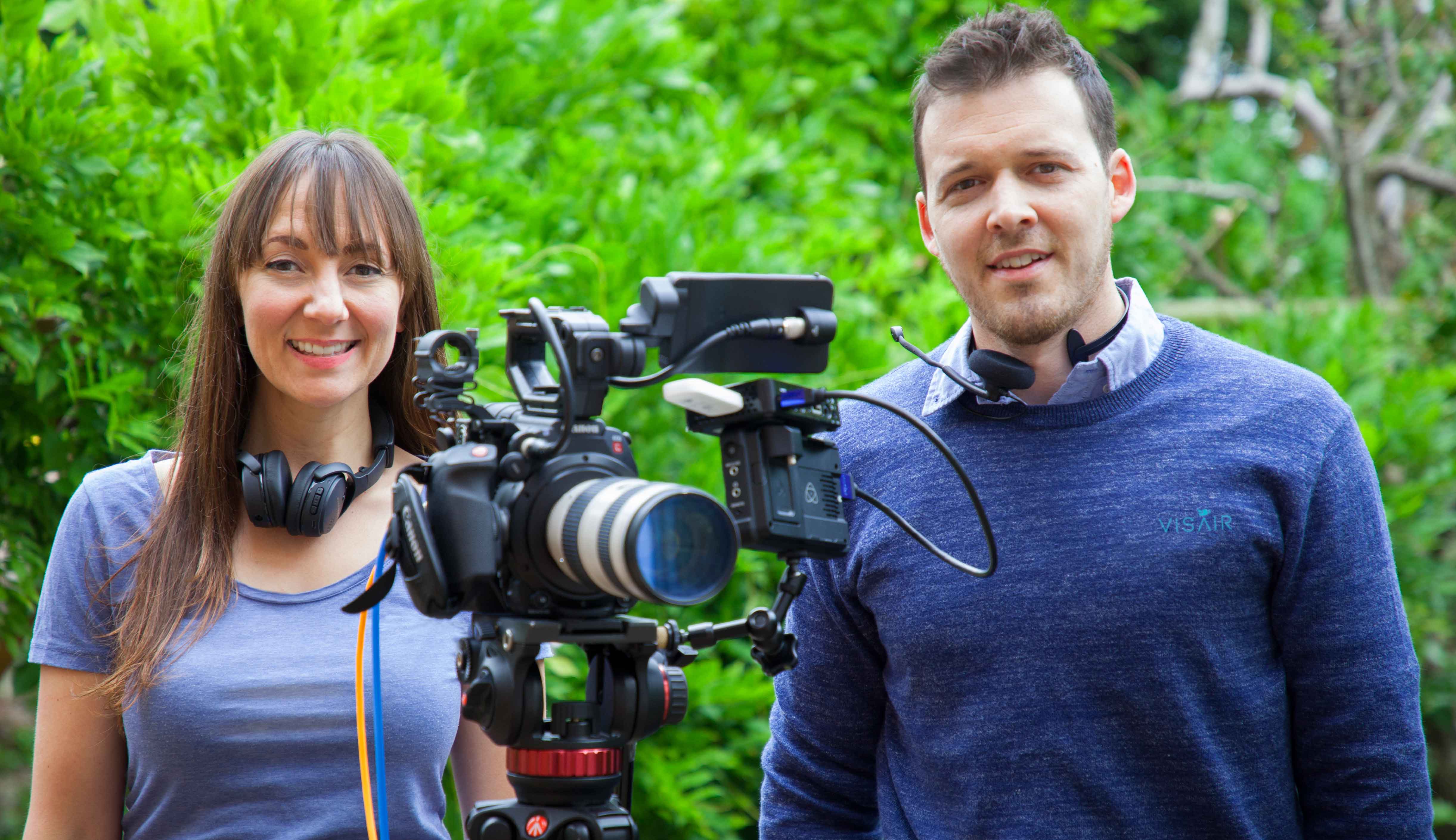
This is also why filming environments like our Creative Studio in Manchester are designed to feel calm, comfortable, and conversational — not intimidating.
Video as a Long-Term Asset,Nota One-Off Project
One of the biggest mindset shifts we’re seeing is how organisations view video investment.
Rather than commissioning “a video”, forward-thinking brands are now asking:
How can we use this footage across campaigns?
How can this content support our website long-term?
How can this help internal communications and recruitment?
This aligns closely with how we structure our video media services — ensuring that a single filming day can generate multiple assets for social media, websites, presentations, and stakeholder communication.
In 2026, brands that treat video strategically will consistently outperform those that treat it tactically.
Short-Form Clear Purpose (Not Just Speed)
Short-form video will continue to dominate.
But not all short videos perform well.
The content that will succeed is not simply shorter — it’s more intentional:
Clear messaging within the first few seconds
Visual clarity without clutter
Purposeful pacing
Defined audience
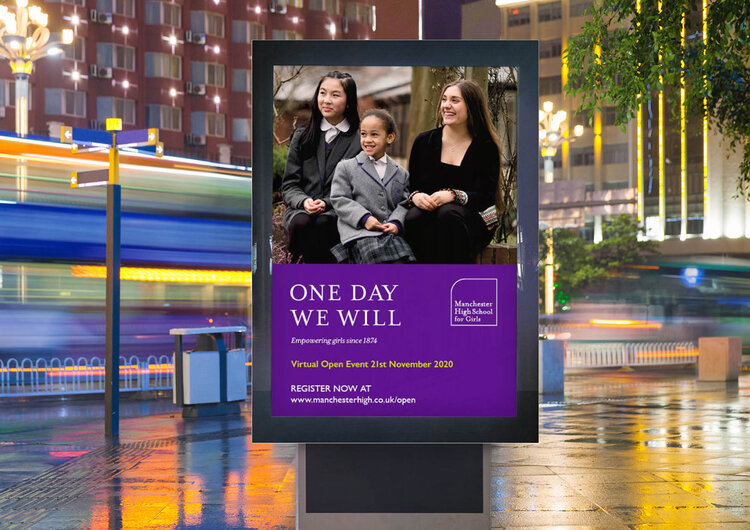
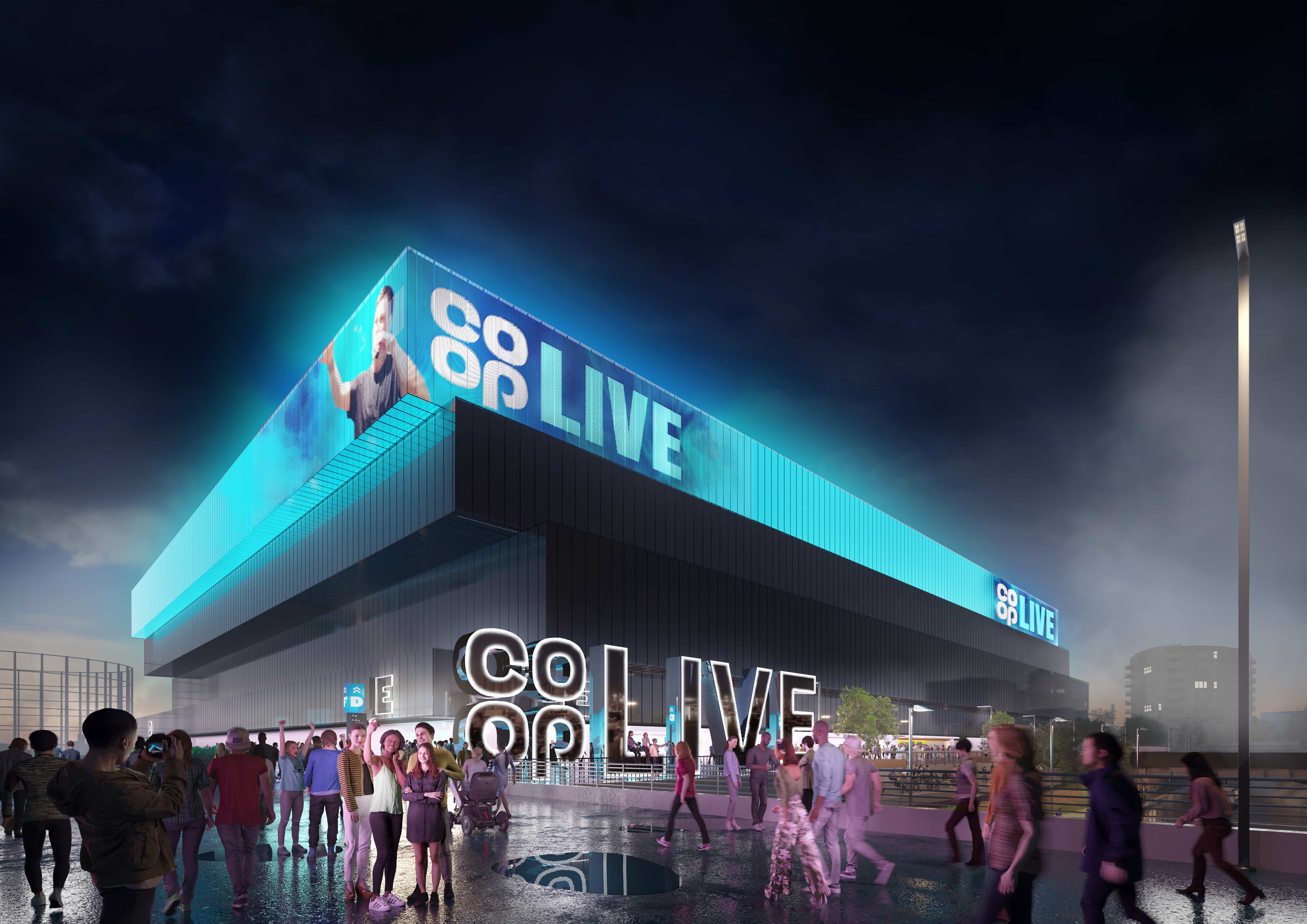
We regularly see that well-structured short videos outperform longer content across both public and private sector clients featured in our Our Work portfolio.
For local brands, this means focusing on quality of communication, not just duration.
Increased Demand for Internal Communication Video
While external marketing gets most of the attention, internal video use is rapidly growing.
In 2026, more organisations will use video for:
Staff communication
Leadership updates
Internal training
Change management
Culture-building
This is especially evident among councils, educational institutions, and large organisations where clarity and consistency of messaging are essential.
Well-produced internal videos often don’t look like “marketing” — but they carry just as much strategic value, particularly for organisations working across multiple departments.
Sector-Specific Content Over Generic Branding
Generic corporate videos are becoming less effective.
Decision-makers increasingly want to see that a production partner understands:
Their environment
Their challenges
Their tone
Their audience
That’s why sector-specific work featured across our education and higher learning, councils and government, and manufacturing and engineering pages continues to attract strong engagement.
In 2026, relevance will outperform generalisation.

Trust-Building Video Over Hard-Sell Video
The most effective videos in 2026 will not try to “sell” aggressively.
Instead, they will:
Demonstrate expertise
Communicate values
Show competence
Build credibility
Reduce perceived risk
This is why formats like explainer videos, behind-the-scenes content, leadership messages, and documentary-style storytelling continue to perform strongly across sectors.
Clients don’t want pressure.
They want reassurance.
What This Means for Local Brands
You don’t need to chase every trend.
You don’t need viral gimmicks.
You don’t need to copy global brands.
What you need is:
Clear messaging
Honest representation
Professional execution
Strategic use of content
A partner who understands your environment
That’s what consistently produces results, regardless of platform changes or algorithm shifts.

Final Thoughts: The Brands That Will Win in 2026
The brands that will stand out next year won’t be the loudest.
They will be the clearest.
They won’t necessarily have the biggest budgets.
They will have the most thoughtful approach.
They won’t follow trends blindly.
They will use trends intentionally.
If you’re currently thinking about how video fits into your organisation’s strategy for the coming year, exploring examples from our Our Work can give you a sense of how strategic storytelling looks in practice.
And if you’d like to have a conversation about how video could support your brand more effectively in 2026:
Get in touch with our team via our contact page and let’s explore your goals, not just your brief.