Over the past year, AI has become part of almost every digital workflow. Content creation, coding, research and analytics can now be completed faster than ever before.
User Experience (UX) is no exception.
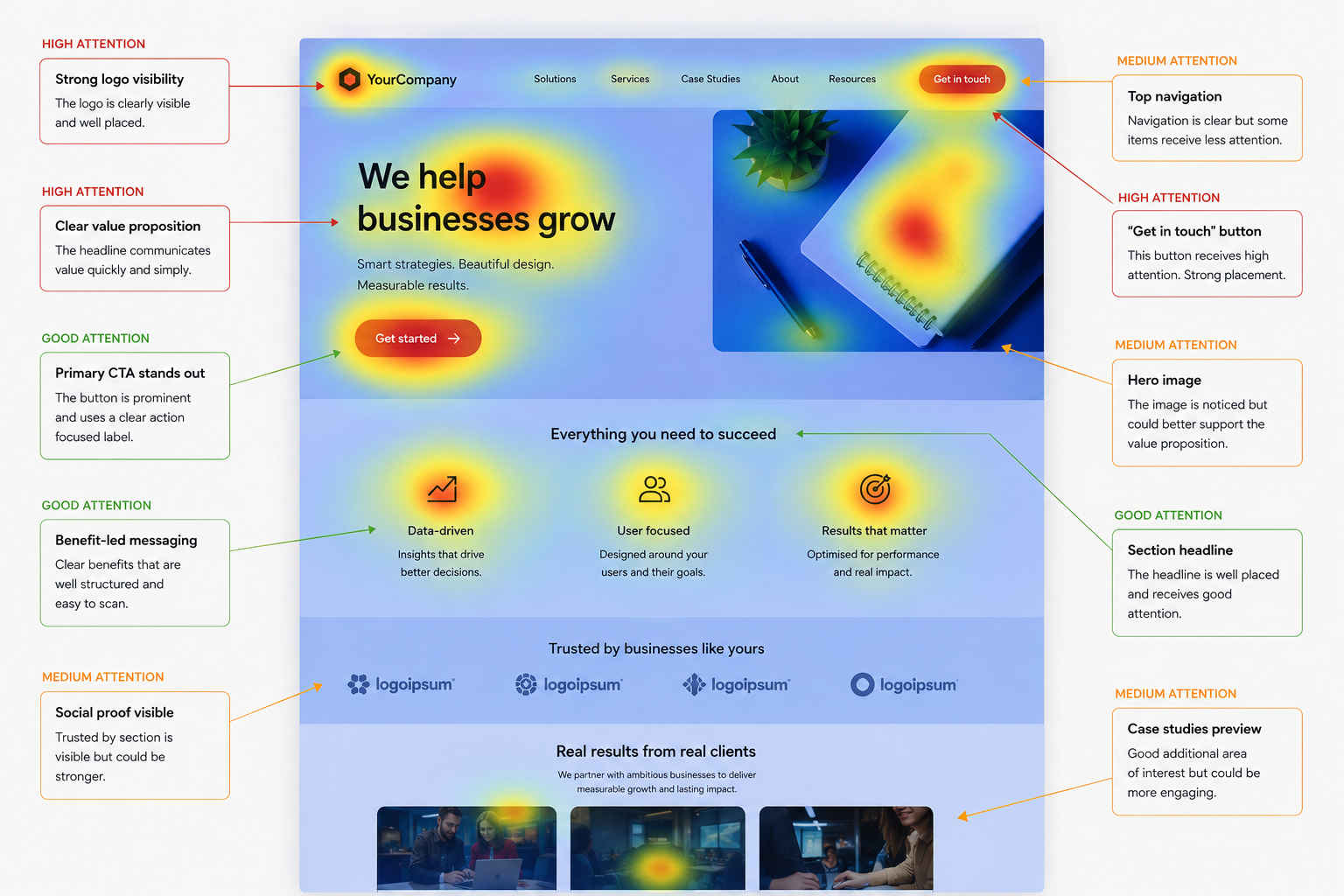
Today's AI tools can review websites, identify usability issues, analyse content, highlight accessibility concerns and even suggest improvements in a matter of minutes. Tasks that once took days can now be completed in a fraction of the time.
For businesses, this presents an obvious opportunity.
Faster audits. Faster insights. Faster decisions.
But there is an important distinction to make.
AI is excellent at identifying potential issues. It is far less effective at determining which issues actually matter.
A modern website or software platform may contain hundreds of usability observations. Some are critical. Most are not.
An AI tool might identify twenty opportunities for improvement, but it cannot fully understand your customers, commercial objectives, internal constraints or regulatory requirements. It cannot sit in a stakeholder workshop and understand why a particular process exists. It cannot determine whether a conversion issue is caused by poor design, weak messaging, pricing concerns or operational limitations.
This is where experience still matters.
The role of a UX consultant is evolving from finding problems to interpreting them.
AI has become an incredibly powerful research assistant. It can gather evidence, analyse patterns and surface opportunities at a speed that would have been impossible only a few years ago. What it cannot do is apply judgement, prioritisation and commercial understanding.
The strongest UX audits now combine both approaches.
AI accelerates the discovery phase by reviewing interfaces, content structures, user journeys and analytics data. This allows consultants to spend less time gathering information and more time focusing on strategy, prioritisation and recommendations.
The result is often a better outcome for clients.
Projects move faster. Teams receive insights sooner. Decisions can be made with greater confidence.
This shift is particularly valuable for SaaS businesses, software platforms and digital products where continuous optimisation is essential. Rather than waiting weeks for an initial review, businesses can quickly identify areas of friction and focus investment where it will have the greatest impact.
At Higher Ground, we have incorporated AI into our UX audit process to accelerate research, identify usability patterns and uncover opportunities for improvement. However, the most valuable part of every audit remains the same: understanding what the findings mean and deciding what to do next.
AI can highlight issues.
Experience determines which ones are worth solving.
The conversation should no longer be whether AI will replace UX professionals.
It won't.
The more interesting question is how UX professionals can use AI to deliver better outcomes for their clients.
Ultimately, that's where the value has always been.
Not finding problems.
Solving the right ones.
Author
Rob Hufton is Founder and UX Consultant at Higher Ground UX, a Manchester-based UX agency, CRO and product design consultancy. Rob has spent more than 20 years helping organisations improve websites, software platforms and digital products through user-centred design, research and conversion optimisation.
For a deeper look at how AI is changing the UX audit process, read: AI UX Audits: Faster Insights, Better Decisions