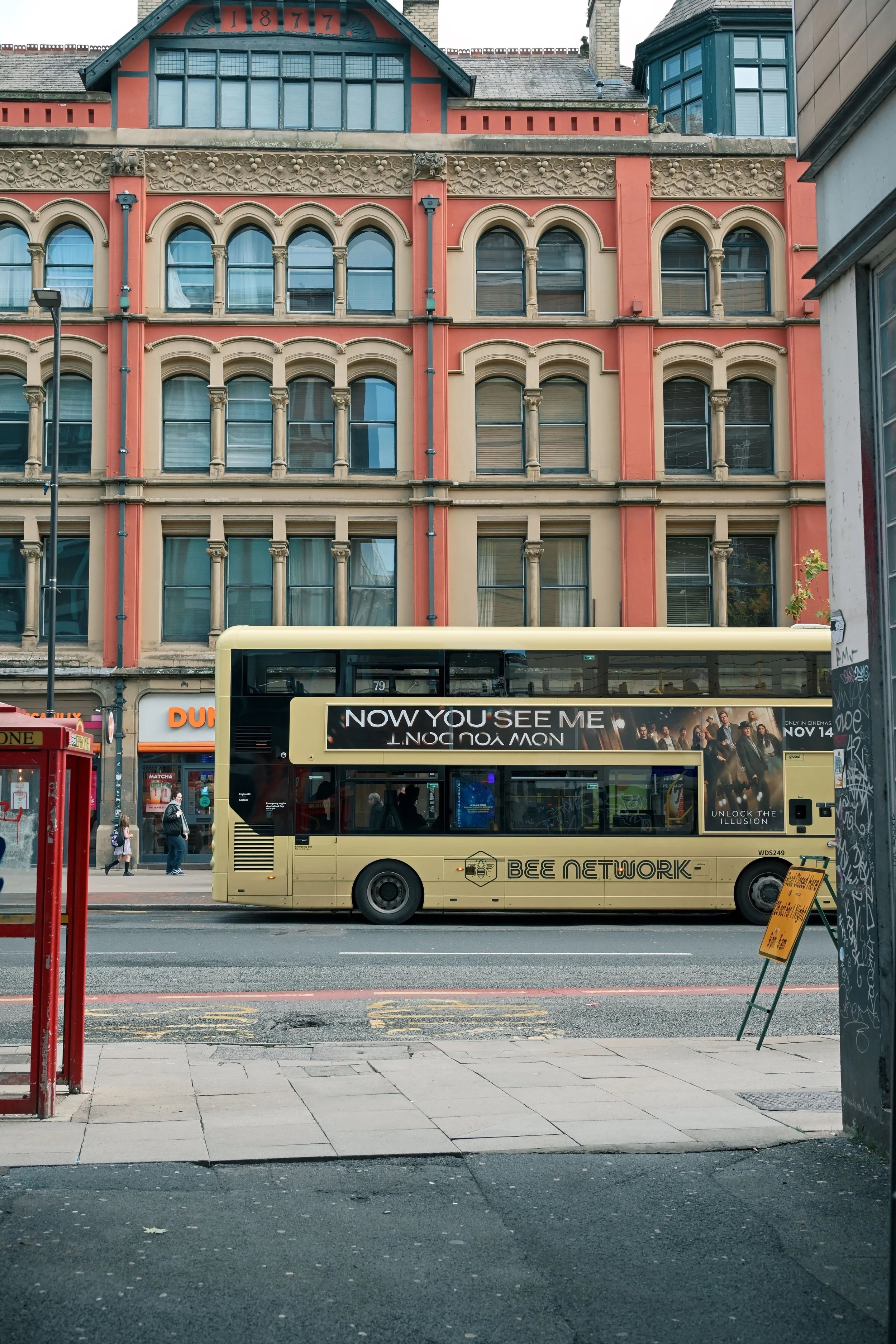
Bus Side vs Bus Stop Advertising: Which Is Right for Your Campaign?
Key Takeaways
Bus sides build wider visibility: Moving vehicles carry your message through neighbourhoods and busy streets, creating repeated opportunities to see the brand.
Bus stops offer location control: Fixed sites can place your message near shops, venues and services, with longer viewing time for waiting passengers.
Choose around the campaign objective: Both formats can work together, provided the budget gives each enough presence to make an impact.
Bus sides and bus stops share an advertising environment, but they reach people in different ways. A moving bus takes your message through the city. A shelter keeps it visible at a particular location.
That difference affects the audience, the creative and the action you can reasonably expect someone to take. Choosing between them starts with understanding where your audience goes and what the campaign needs to achieve.
Use Bus Sides to Build Recognition Across a City
Bus side advertising puts your creative on the vehicle itself. Formats vary by operator and market, from supersides and rear panels to full wraps.
Movement is the main advantage. A route can take your brand through residential neighbourhoods, shopping streets and commuter corridors throughout the day. Drivers and pedestrians can see the campaign alongside passengers.
Repeated journeys help build familiarity. For a brand looking to increase awareness across a city, that combination of movement and visibility can make bus advertising a strong starting point.
Use Bus Stops to Reach Priority Locations
Bus stop advertising uses posters or digital screens at fixed sites. This gives planners more control over where the message appears.
A shelter near a shop, leisure venue or transport interchange can connect the advert with somewhere people can visit. Waiting passengers may also have more time to read, while passing traffic adds opportunities for wider exposure.
A single shelter covers a limited area, though. A campaign needs enough well-chosen sites to build a useful presence rather than a few disconnected sightings.
Create for the Viewing Conditions
Bus side creative needs to make sense quickly. The vehicle may be moving, the viewer may be moving, or both. Strong branding and one clear message give the advert a better chance of being recognised.
Shelters can accommodate a little more detail because some viewers are waiting nearby. That might mean a useful offer, a direction or a short explanation of the product.
Keep the main idea easy to understand at a glance. The extra viewing time gives you room to add information, but passing pedestrians and drivers still need to understand the headline.
Match the Format to the Action
For awareness across a city, bus sides can spread a distinctive message along relevant routes. For a local store opening, shelters near the destination can bring the message closer to a visit.
Both can provide repeated exposure. A bus returns along its route, while a shelter remains part of a familiar journey. Audience movement and the available inventory should guide which approach fits your brief.
Compare what the whole campaign budget can buy, including coverage and frequency. The price of one vehicle or panel won’t tell you which plan offers better value.
Give a Mixed Campaign a Clear Purpose
Combining the formats can help a brand build wider recognition while reinforcing its message at important locations.
Use consistent colours, imagery and brand cues so people can connect the sightings. Then adapt the copy to suit each setting.
Budget still matters. If splitting the spend leaves both formats with too little coverage, concentrate on the one that best serves the audience and objective.
One Day Agency plans bus and shelter campaigns with media locations and creative developed together. Read the full guide to bus side vs bus stop advertising for more on choosing formats, planning coverage and making the budget work.