AI made building easier. It didn't remove the work that used to sit between an idea and something safe to rely on. It just moved that work later, and made it easier to skip.
That's the trap. Someone in your organisation has already vibe-coded something. It works, or it looks like it does. The questions that would normally get asked before something goes live, who owns it, what happens if it breaks, where the data actually sits, never got asked, because the tool existed before anyone had the conversation.
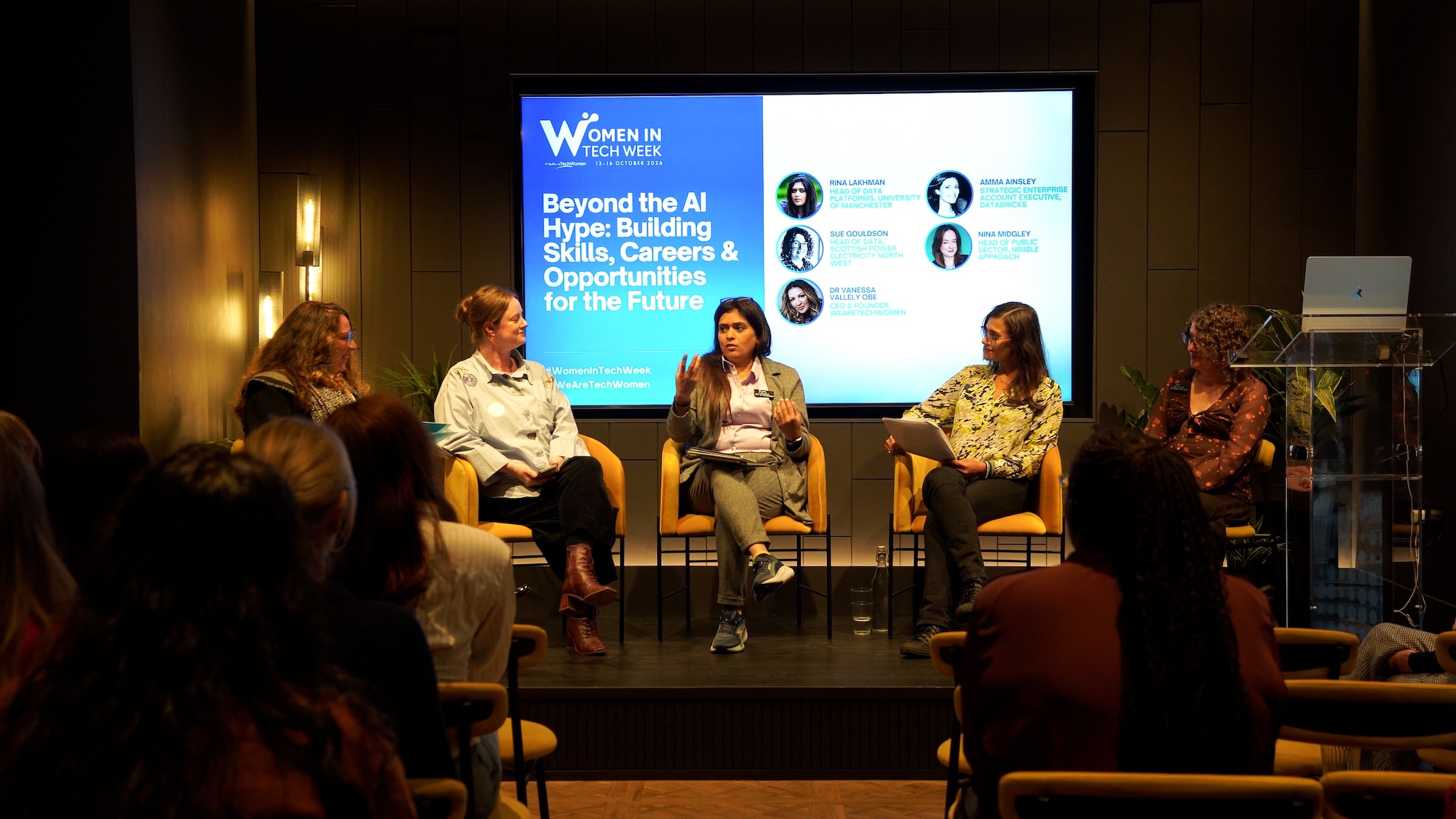
In this webinar, James Ridgway, CTO at The Curve, is joined by Tom Gothard, Managing Director at Newhill Deals, to talk through what changes the moment a vibe-coded tool stops being an experiment and gets implemented in an organisation.
The session covers:
Why making it easier to build something doesn't make it easier to trust, it just moves the point where trust gets tested
The confidence gap: what a working demo can't tell you about security, data handling or scale
What actually changes the moment a tool starts holding real data or running part of a customer journey
Review, harden or rebuild: how to work out which one you actually need
Why platforms like Lovable and Claude Code can build the thing, but can't tell you, credibly, whether it's safe
No technical background is required. This session is aimed at people who've already got something built and are trying to work out what comes next, not people still deciding whether to try vibe coding at all.
Attendees will leave with a better understanding of how to judge whether what's been built is safe to implement. And a plain view of what fixing, hardening or rebuilding it would actually involve.