While Greater Manchester’s tech sector continues its growth trajectory, Black women remain significantly underrepresented across the industry - from technical roles to leadership positions.
According to The British Computer Society (BCS) and Coding Black Females, Black women made up 1.8% of the UK workforce but only 0.7% of IT professionals in 2022, creating a shortfall of at least 20,000 Black women relative to parity with their presence in the wider workforce. This fell to 0.6% in 2024.
New research launched this week by Manchester Digital, Beetroot Consulting and Manchester City Council’s Digital Strategy team, explores the structural conditions shaping Black women’s experiences of working in Greater Manchester’s tech ecosystem.
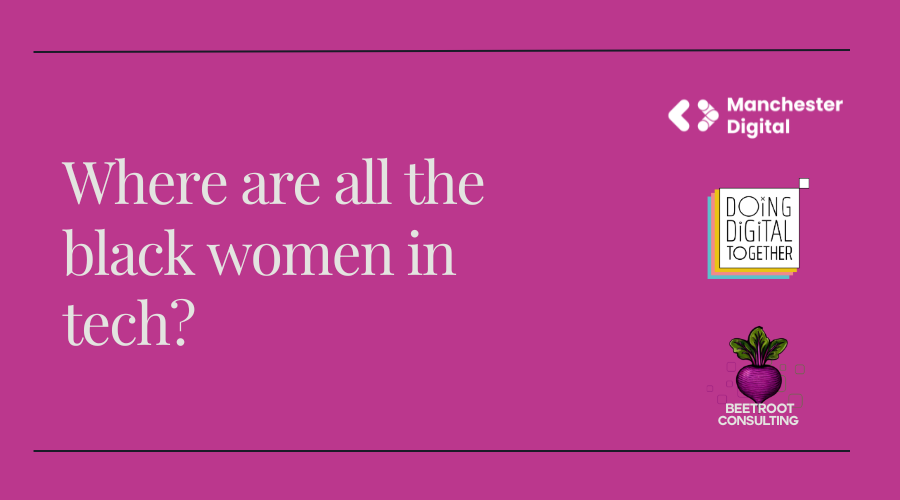
The research, called Where are all the Black Women in Tech?, brings together insights from participatory workshops and collaborative discussions with Black women working across the region’s tech and digital sector. The research was developed using a trauma-informed and care-centred approach, designed to ensure participants could share experiences safely and openly.
Rather than asking why Black women are absent from tech, the research explores a different question: If the talent already exists, what conditions are shaping whether it is recognised, supported and able to progress?
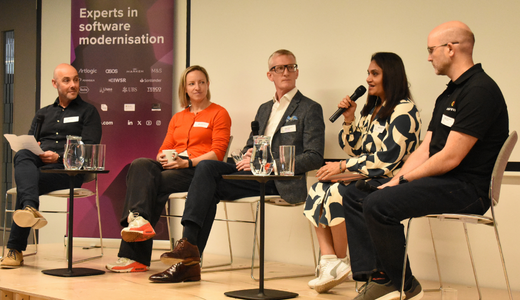
The findings were launched today (May 20) alongside a senior leadership roundtable at Autotrader, bringing together tech leaders, employers, policymakers and ecosystem partners to discuss what meaningful structural change in Greater Manchester’s tech sector could look like.
The recurring themes which emerged from the research included:
- Support often feeling inconsistent or fragile
- Workplace cultures where inclusion relies heavily on individual resilience
- Limited access to sponsorship and influential professional networks
- Organisational signals and behaviours shaping whether people feel recognised and able to belong
- Visibility not always translating into progression
The research argues these are not isolated experiences, but patterns with implications for the long-term strength and competitiveness of Greater Manchester’s tech ecosystem.
The report then identifies several areas for future focus, including:
- improving visibility of Black women across leadership and technical roles
- creating clearer and more transparent progression pathways
- strengthening sponsorship and professional networks
- improving understanding of representation and retention patterns
- building workplace cultures where inclusion is structurally supported rather than individually carried
Sherelle Fairweather, Digital Strategy Lead at Manchester City Council, said: “At a time when we are being told many organisations are stepping back from conversations around diversity and inclusion, Manchester and the wider region has an opportunity to do the opposite - to think seriously about what kind of tech ecosystem we are building and who gets to shape it.
“If we want to remain competitive as a city and tackle some of our inequality challenges, we need to avoid overlooking talent that may already exist within our ecosystem. This research is intended to open a more honest conversation about the structural conditions shaping participation and progression in tech.”
Kanika Selvan, Founder and Change Consultant at Beetroot Consulting, said: “This work was never about producing another generic diversity report. It was grounded in real inquiry: listening properly to the experiences of Black women in tech and understanding what those experiences reveal about the systems around them.
“One of the clearest messages from the research is that Black women do not lack ambition, capability or interest in the sector. The question is whether organisations and the wider ecosystem are willing to reshape the conditions through which access, trust, visibility and opportunity are distributed.
“At Beetroot, this is why we invested three years of time, labour and resources into this work. As a Black female-led tech change consultancy, we are part of this sector, we lead within it, and we believe Greater Manchester has the honesty and creativity to do something meaningful with this insight.”
Emma Grant, Head of Programmes at Manchester Digital, said: “Greater Manchester’s tech sector depends on its ability to attract, keep and develop talented people. That becomes harder when parts of the workforce consistently experience progression, visibility and support differently from others.
“This research matters because it moves the conversation beyond representation alone. It asks what conditions help people stay, grow and lead within the sector - and what responsibility employers, institutions and ecosystem organisations have in shaping those conditions.”
The research is intended to act as a starting point for ongoing ecosystem collaboration and future action across Greater Manchester’s tech sector.
To read the full report, visit: https://wbwitreport.carrd.co/