The End of the Search Results Page
For most of the last twenty years, brands have competed for attention in a familiar place. The search results page. The model was simple. A customer searched for something, Google returned a list of links, and brands fought to appear at the top through SEO, paid ads, and marketplace presence. Winning meant traffic. Traffic meant sales.
Artificial intelligence is now reshaping that model faster than many brands realise. Instead of presenting a list of links, answer engines such as ChatGPT, Perplexity, and Google's AI experiences increasingly provide direct answers. The user asks a question and receives a single response that summarises the best option. Sometimes that answer includes product suggestions. Sometimes it completes the purchase.
From Navigation to Conversation
The traditional web was built on navigation. Customers clicked links, opened pages, filtered results, and browsed collections. AI replaces that journey with conversation. A customer might simply ask, "What is the best waterproof jacket for winter commuting?" and expect a recommendation that considers use case, budget, and preferences in one response.
For the customer, this is a better experience. It is faster, simpler, and closer to how people naturally ask for advice in the real world. For brands, however, it introduces a new challenge. If discovery happens inside AI answers rather than search results pages, the brand's digital shop window starts to disappear.
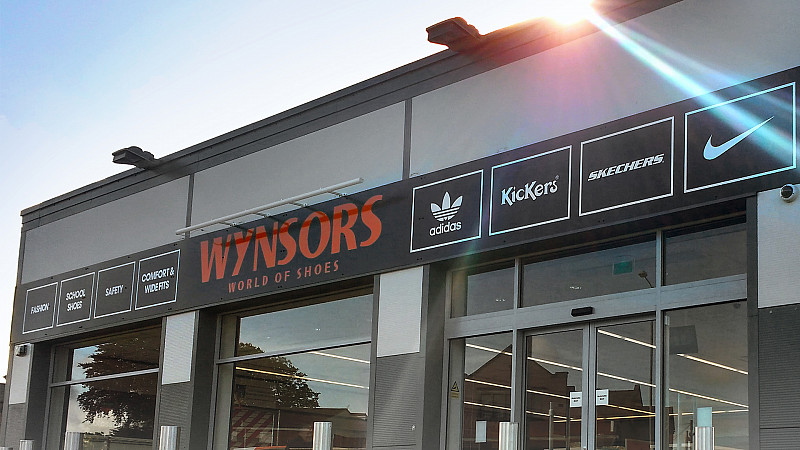
The Disappearing Shop Window
In the past, brands controlled the environment where customers discovered products. Their website, their category pages, their product storytelling. Even when traffic came through Google, the brand still had the opportunity to guide the customer experience once someone landed on their site.
Answer engines compress that experience. Instead of ten links and ten potential visits, there may be one answer and one recommended product. The distance between discovery and purchase becomes dramatically shorter.
The Rise of Agentic Commerce
This is why large technology companies are beginning to promote the idea of agentic commerce. In simple terms, agentic commerce describes a future where AI agents do the shopping on behalf of users. The customer describes what they want. The AI searches the web, compares products, and completes the purchase automatically.
On paper, this sounds convenient. In reality, it introduces a new level of control by the platform. If an AI agent becomes the decision maker, the platform effectively owns the customer relationship. The brand becomes a supplier inside someone else's interface. OpenAI has already discussed a four percent fee structure for purchases completed through its commerce protocols.
Why Conversational Commerce Wins
However, agentic commerce is unlikely to become the dominant model for most consumer shopping. People may accept automation for routine purchases such as printer ink or household essentials. But shopping for fashion, gifts, beauty products, or home items is not purely transactional. It is exploratory and emotional.
Customers want advice, context, reassurance, and inspiration. They want to ask follow-up questions. They want to compare options and understand why something is right for them. Fully automated purchasing removes that experience. The more likely future is conversational commerce rather than automated commerce.
The Brand-Owned AI Storefront
If answer engines become the new discovery layer of the internet, the brand website must become the best place for AI-personal shopping. Instead of relying on navigation menus and product grids, brands need to support natural language discovery directly on their own storefronts.
A customer should be able to arrive on a website and ask a question in the same way they would ask an AI assistant. The brand's system should understand the question, search the catalogue intelligently, compare relevant products, and guide the customer to a confident decision. In other words, the website itself must become conversational.
The Digital Shop Window Is Evolving
Artificial intelligence is changing where discovery begins, but it does not remove the importance of the brand-owned storefront. If anything, it increases its importance. As answer engines reduce the number of clicks between question and recommendation, brands must ensure that when customers arrive on their site, the experience feels just as intelligent and responsive as the AI tools they use elsewhere.
The digital shop window is not disappearing. It is evolving. The brands that adapt early will be the ones that remain visible in a world where the first answer increasingly matters more than the tenth search result.
"The brands that adapt early will be the ones that remain visible in a world where the first answer increasingly matters more than the tenth search result."