What was once treated as an optional enhancement or a late-stage compliance check is now recognised as a structural requirement for modern websites. For brands, developers, and agencies, web accessibility is now expected alongside performance, usability, and visual clarity.
This shift has been driven by evolving user expectations, clearer regulations, and a growing focus on inclusion. Search engines also increasingly reward well-structured, easy-to-navigate websites, reinforcing the link between inclusive experience and performance.
As awareness grows, organisations see that accessible websites serve broader audiences, reduce friction, and strengthen engagement and retention across digital touchpoints.
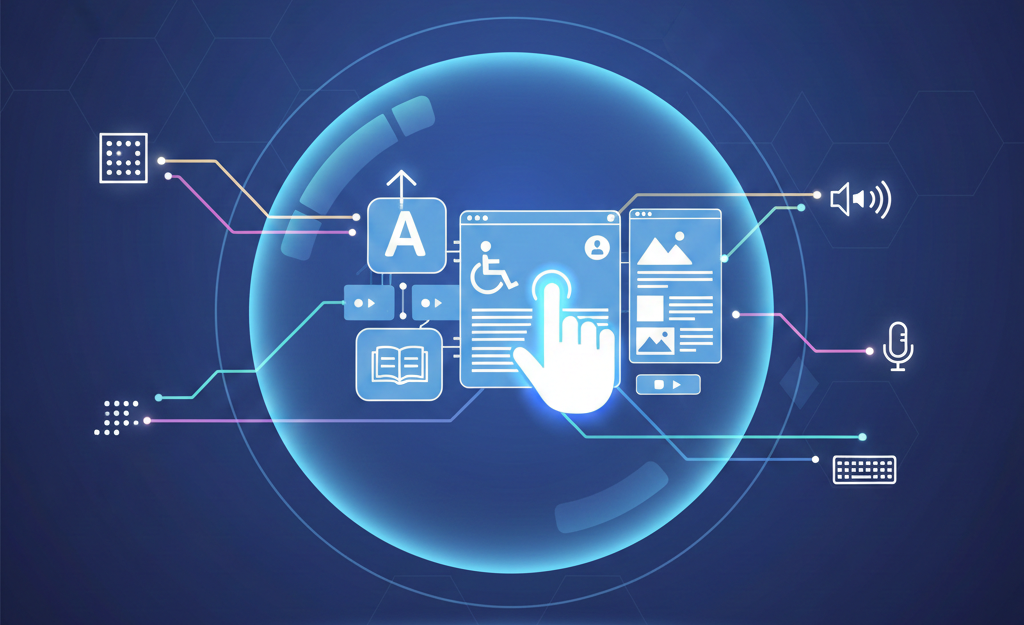
WCAG Compliance and Inclusive Design Principles
Accessibility standards are shaped primarily by the Web Content Accessibility Guidelines (WCAG), developed by the World Wide Web Consortium (W3C). These guidelines provide a shared framework for building accessible websites that can be used across a wide range of abilities, devices, and assistive technologies.
For many, WCAG standards now guide design and development decisions. Built on this framework, inclusive design prompts teams to consider real-world use cases from the outset. This includes users relying on screen readers, keyboard navigation, voice control, or mobile devices in unpredictable environments.
By accounting for these scenarios early, inclusive access becomes integrated in the site's structure rather than introduced as a corrective step later. This approach also supports smoother collaboration across teams by addressing accessibility alongside layout, content, and functionality.
At the same time, inclusive design improves the experience for a much broader audience. Clear headings make content easier to scan, while thoughtful colour contrast assists those in bright settings and with visual impairments.
Logical navigation further helps both first-time visitors and returning users move through a site with confidence. In this way, inclusive design strengthens overall usability, supports a positive user experience (UX) for all users, and remains aligned with recognised WCAG standards without adding unnecessary complexity.
Tools for Testing Accessibility
Accessibility testing is most effective when it combines automated checks with human review. Automated tools flag common issues, such as missing labels, low colour contrast, and markup errors. These checks offer a quick overview and are often a practical starting point, especially during early development stages or routine audits.
However, automation only goes so far. Many inclusive access challenges relate to how people actually use a website, which is why manual testing remains essential. Reviewing keyboard navigation, assessing screen reader support, and following real user journeys helps teams understand whether content is logical, readable, and usable in practice. These interactions reveal issues that automated scans cannot detect, such as confusing focus order or unclear feedback during form submissions.
Accessibility testing should also be part of ongoing site maintenance. As content is updated, new pages are added or features change, which can unintentionally affect accessibility. Regular reviews help ensure that earlier improvements are maintained and that new issues are addressed before they affect users. Since accessible experience checks are integrated into everyday workflows, teams can maintain consistency, reduce risk, and ensure long-term quality across the site.
How Accessibility Improves SEO and User Retention
Accessible design and search performance are closely linked. Clear structure, meaningful headings, and well-labelled elements help search engines interpret page content more accurately. At the same time, semantic HTML and a logical page hierarchy support crawlability, allowing content to be indexed with greater confidence.
Beyond search visibility, accessibility also improves overall usability. When users can navigate a website easily, find information quickly, and interact without friction, they are more likely to stay engaged. This applies equally to mobile users, those relying on assistive technology, and visitors browsing in challenging conditions such as poor lighting or slower connections.
As usability improves, friction is reduced for everyone. Pages that load cleanly, respond predictably, and support multiple interaction methods feel more dependable. Over time, this consistency builds trust and encourages repeat visits. These behavioural signals closely align with how modern search engines evaluate site quality, reinforcing the link between web accessibility and long-term performance.
For organisations investing in professional web design services, accessibility should be a priority, as it can enhance discoverability and user satisfaction. It also supports clearer content structure, stronger internal linking, and healthier site architecture, all of which contribute to sustainable growth.
What This Means for Modern Websites
Accessibility is becoming a baseline expectation rather than a differentiator. New websites are increasingly assessed against accessibility standards as part of quality assurance. Clients, users, and regulators now expect sites to be usable, readable, and navigable across devices and abilities.
This expectation also connects to brand values. Clear layouts and supportive interactions signal that a brand has carefully considered its audience. That attention to detail helps reinforce trust and supports a more credible, dependable brand presence.
Furthermore, there are long-term cost benefits. Building accessibility into a project from the start reduces the need for retrofitting later. Fixing accessibility issues after launch often requires reworking layouts, code, and content. However, planning inclusively helps teams avoid repeated revisions and supports more efficient development cycles. Resources on accessibility features for user-friendly websites, such as the Americans with Disabilities Act (ADA) Compliance in the United States and WCAG’s website, highlight how these considerations inform practical design decisions.
For agencies, this shift affects how projects are planned and delivered. Accessibility now requires collaboration across design, development, content, and testing teams. Agencies that integrate accessibility into their workflows position themselves as partners in quality rather than providers of surface-level solutions. This ensures standards are met while maintaining clarity, usability, and confidence in the final build.
If you are unsure how your website performs or are planning to build accessibility into future projects, book a consultation with The Social Bay. Our team helps assess accessibility from both design and technical perspectives, identifying gaps and prioritising improvements to support usability, compliance, and long-term performance. This approach provides clear direction on how to move forward, with accessibility built into the core of your digital strategy.
You can also reach out directly at hello@thesocialbay.co.uk or call 07441 918230 to discuss your project and explore how accessibility can support your wider digital goals.